What are the different types of cremation urns? We break down 6 popular options, including classic urns, biodegradable containers, keepsakes, and more to help you choose the perfect vessel and decide where to spread ashes.
Choosing where to place your loved one’s ashes is both deeply personal and surprisingly practical. Maybe you’re drawn to a classic urn for the mantle, something biodegradable that returns to the earth, or you’re not sure yet—and that’s okay.
This guide covers six popular types of cremation urns and containers, plus alternatives many families are choosing today, including natural memorial options in forest settings. Whether you’re planning ahead or navigating this now, we’re here to help you understand your choices.
Did you know? Better Place offers complete cremation services from carbon-neutral cremation to a living memorial in nature with a beautiful urn included. See Services
Understanding cremation urn sizes and capacity
Before you fall in love with a specific urn design, it helps to understand the basics of sizing. Not all urns are created equal, and choosing one that’s too small is a mistake you definitely want to avoid.
How much ash does a body produce?
A standard adult cremation produces approximately 180 to 220 cubic inches of ash—though this varies based on body size. The general rule of thumb in the cremation industry is simple: one pound of body weight equals roughly one cubic inch of cremated remains.
So if your loved one weighed 180 pounds, you’d need an urn with at least 180 cubic inches of capacity. It’s always wise to choose an urn with a bit more space than you think you’ll need—better to have room than to run into a problem.
Standard vs keepsake urns
Standard Urns are designed to hold all of a person’s cremated remains. These typically have a capacity of 200 cubic inches or more and come in the classic shapes and styles most people picture when they think of an urn.
Keepsake Urns are miniature versions that hold just a small, symbolic portion of ashes—usually between 3 and 50 cubic inches. These are perfect when multiple family members each want to keep a small amount of their loved one close, or when you plan to scatter or bury most of the ashes but want to keep a portion at home.
6 popular types of cremation urns
1. Classic urns
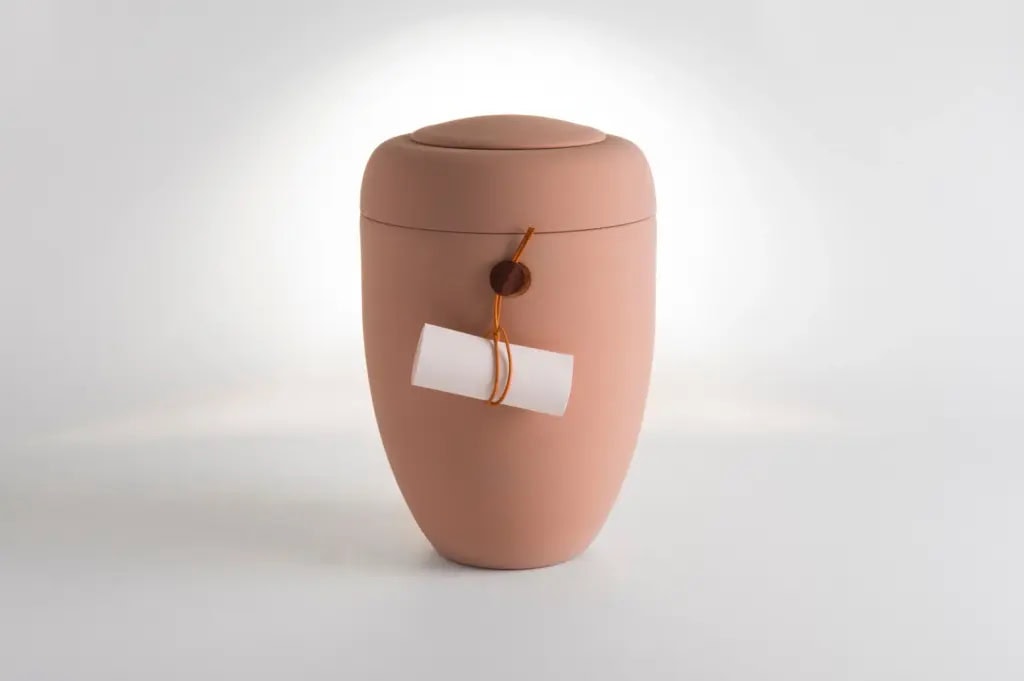
When most people picture a cremation urn, they’re thinking of the classic design—that timeless oval shape with a rounded body and narrower neck. It’s rooted in ancient Greco-Roman design and was revived during the Renaissance and Victorian eras, becoming the standard we recognize today.
Classic urns are made from durable materials like brass, bronze, marble, or ceramic. They hold a person’s full remains and are built to last, making them ideal for permanent home display, columbarium placement, or traditional burial.
2. Keepsake urns
Keepsake urns are exactly what they sound like—miniature urns designed to hold just a small, symbolic portion of ashes, typically between 3 and 50 cubic inches. Think of them as a way to share a remembrance among family members, or to keep a small amount close while doing something else with the rest.
These work perfectly when siblings or children each want their own memorial, when you’re splitting ashes between home display and scattering, or when you simply want something portable and intimate. Popular styles include jewelry-sized pendants you can wear, decorative miniatures that sit on a bedside table, or matching sets so everyone in the family has a cohesive piece.
Did you know? Many families choose keepsake urns to hold a small portion of ashes while spreading the rest at our protected Memorial Forests within a shared spreading grove or at a private memorial Tree creating both a tangible keepsake and a living memorial in nature. Explore Memorial Forests
3. Water-scattering urns
If you’re planning to scatter ashes at sea, in a lake, or along a river, water scattering urns make the process simple and dignified. These biodegradable containers are specifically designed to float upright like a buoy when placed in water. Within minutes, the bottom portion dissolves and gently releases the ashes underwater. The top continues to float briefly before sinking and biodegrading completely out of sight.
Water scattering urns are made from materials like recycled paper, salt, or sand—all of which break down naturally without harming aquatic life. The Living Urn makes a popular Eco Water Urn that gives you the ability to scatter ashes with ease in a simple, yet dignified way.
Important Consideration: With a water memorial, there’s no permanent place to return to. Returning ashes to earth in a Memorial Forest—either at a dedicated Spreading Grove or private Memorial Tree—ensures you have access rights in perpetuity so you can visit whenever you want.
4. Sustainable urns
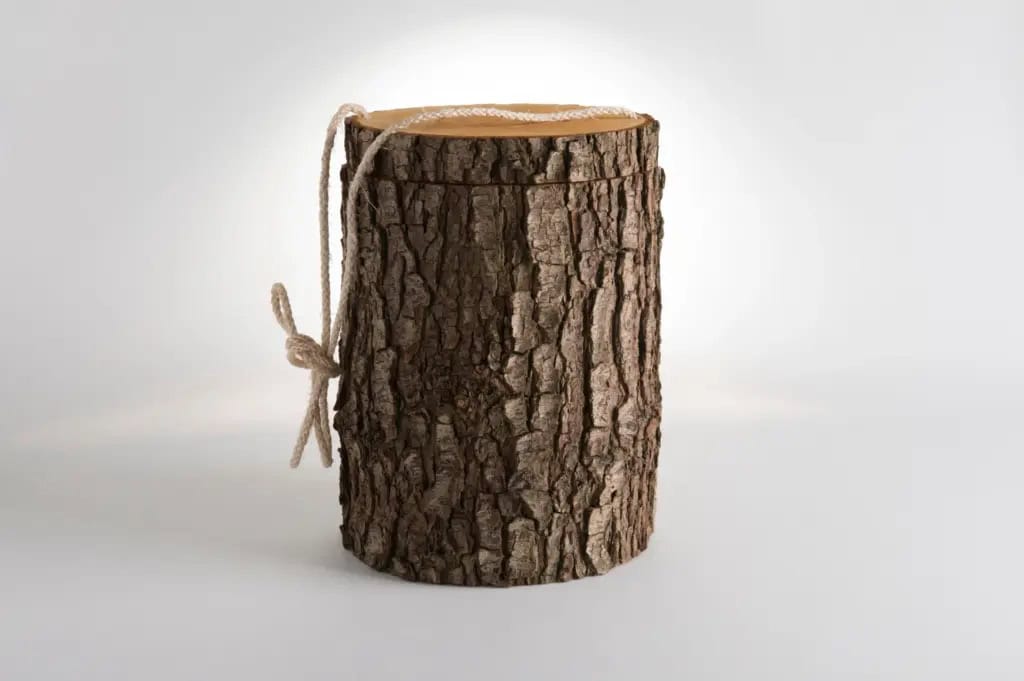
For families who prioritize environmental values but want something more permanent than a biodegradable option, sustainable bamboo offers an elegant middle ground. These urns are crafted from renewable resources—bamboo grows incredibly quickly and requires minimal processing.
The aesthetic is clean, modern, and understated. Bamboo urns often feature natural wood grain and smooth, minimalist lines that fit beautifully in contemporary homes.
5. Biodegradable urns
Biodegradable urns take the eco-conscious approach further—they’re specifically designed to break down and nourish new life. The Loop EarthRise™ is the world’s first urn made from mushrooms, grown in just seven days from mycelium and upcycled hemp fibers. It’s designed to decompose naturally and enrich the soil, whether you use it as a temporary memorial at home before planting it in a garden or graveyard, or place it directly in the earth.
The Living Urn Bio Urn works similarly but comes with everything you need to grow a tree from your loved one’s remains—soil, seedling, and instructions included. Both options are available in standard sizes (around 4 liters for full remains) and smaller “To Share” sizes (0.5 liters) for families splitting ashes. You can choose a lid with a cavity for planting or a closed design for display before burial.
Important Consideration: Planting and caring for a memorial tree is a big responsibility. You’ll need the right property, ongoing maintenance, and a plan for what happens if you move or the tree doesn’t survive. Or you can choose a Memorial Forest with Better Place that’s cared for, and protected in perpetuity. Explore Memorial Trees
6. Wood boxes for ashes
Not everyone connects with the traditional urn shape, and that’s where modern wood boxes come in. These minimalist containers offer a contemporary alternative—clean lines, sustainably sourced hardwoods, and an understated elegance that fits naturally into modern homes.Wood boxes are typically rectangular or square, crafted from materials like walnut, cherry, oak, or maple. Many offer customization options like engraved nameplates, inlaid designs, or personalized messages. The aesthetic is more like a beautiful keepsake box than a formal urn, which some families find comforting and less somber.
How to choose the right urn or container
With so many options, choosing an urn can feel overwhelming. The truth is, there’s no perfect formula—what matters most is what feels right for your family. That said, asking yourself a few key questions can help narrow down your choices and give you confidence in your decision.
Questions to ask yourself:
Will this be permanent or temporary?
Some families know immediately they want a permanent urn for home display or burial. Others need time to decide and use a simple temporary container (which your cremation provider will supply) while they figure out the long-term plan.
Where will the urn be kept or placed?
Think about the physical space. A large urn might be beautiful but impractical in a small apartment. If you’re placing it in a columbarium niche, you’ll need specific dimensions. If it’s going on a shelf, consider what fits naturally with your home’s aesthetic.
Are you planning to spread, bury, or keep the ashes?
This is probably the biggest decision. If you know you want to scatter ashes at sea or in a forest, a biodegradable container makes sense. If you’re keeping ashes at home indefinitely, invest in something durable and meaningful. If you’re burying the urn, check cemetery requirements—some have specific rules about materials.
Do multiple family members want a portion of the ashes?
If siblings, children, or close friends all want their own keepsake, you’ll need either multiple small urns or one larger urn that you’ll divide later. Many families don’t realize this is an option until someone asks, so it’s worth bringing up early.
What’s your budget?
Urns range from under $50 to several thousand dollars. Better Place includes a beautiful, sustainable urn in its Complete Cremation Package. See Pricing
What values matter most?
Are you drawn to tradition and history? Environmental sustainability? Modern minimalist design? There’s no wrong answer, but knowing what resonates with you will help guide your choice. Some families want something that feels sacred and formal, while others prefer understated and natural.
What if I want to change my mind later?
You can absolutely change your mind. Cremated remains can be transferred from one urn to another, divided among multiple containers, or moved from home display to burial or scattering whenever you’re ready.
Finding the right urn
Choosing an urn is a deeply personal decision. Whether you’re drawn to timeless classic designs, biodegradable, or modern containers, there’s no wrong choice—only what feels meaningful to you and your family.