Aquamation
The sustainable option that uses water, not flame.
Aquamation
Water cremation, also called aquamation or alkaline hydrolysis, uses water, alkali and gentle warmth instead of flame to accelerate natural decomposition. The result is the same as flame cremation: ashes you can keep, spread or bury.
Uses significantly less energy than traditional flame cremation processes.
Produces no air pollution or harmful environmental discharge.
Safely breaks down harmful substances, including chemo drugs and meds.
ashes are returned
Why choose aquamation?
Aquamation is the gentler, greener alternative to flame cremation. Using water, not heat, it’s a cleaner process that aligns with how nature works.
- Eco-forward
- Gentler process
- Carbon neutral
Carbon-neutral cremation
While traditional cremation is already more environmentally friendly than burial, carbon-neutral options go further by using carbon offsets to balance out the emissions from the cremation process.
It’s a way to honor your environmental values and honor the planet.
Everything handled
We coordinate respectful transportation in California.
Cremains are returned in a beautiful urn to family.
Death certificates, permits and filing handled for you.
Interactive, digital tribute; share stories and photos.
We offset cremation’s impact through climate action.
We provide resources to help you navigate after-loss.
Compare cremation options
Flame Cremation
Uses heat and flame to reduce the body to ash.
- No toxic chemicals
- No burial plot needed
- Fewer resources than burial
Aquamation
Uses water and alkali to reduce the body to ash.
- 90% less energy than flame
- Zero emissions
- No toxic byproducts
Natural Organic Reduction
Uses natural microbes to reduce the body to soil.
- Creates nutrient-rich soil
- Minimal energy use
- Ultra-low emissions
We're here whenever you're ready
A Guide is always available to answer questions, offer support, or simply listen.
Talk to a Guide, 24/7
When you’re ready, we’re here.
Explore at your own pace
See the two ways families honor a life.
Questions?
We're here to help.
What is aquamation?
Aquamation is a gentle, flameless cremation option that uses warm water and a natural alkali solution—rather than heat and flame—to return the body to ash. Like all cremation options at Better Place, it is always carbon-neutral.
Is aquamation the same as alkaline hydrolysis?
Yes. Aquamation, water cremation and alkaline hydrolysis are the same process. Aquamation and water cremation are simply the names most families find easier to understand.
How does aquamation work?
Aquamation uses warm water and a natural alkali solution to gently accelerate the body’s natural decomposition process. The result is the same as flame cremation—ashes returned to the family—but with a significantly lower environmental footprint.
How is aquamation different from traditional cremation?
Flame cremation uses heat and flame to reduce the body to ashes. Aquamation uses warm water and a natural alkali solution to achieve the same result—but more gently, and with fewer emissions. Both options return ashes to the family and are always carbon-neutral with Better Place.
Is aquamation environmentally friendly?
Yes—aquamation is the greener alternative to flame cremation. Using water instead of heat, it produces fewer emissions and aligns more closely with how nature naturally returns the body to the earth. And like every cremation at Better Place, it is fully carbon-neutral.
How long does aquamation take?
The aquamation process takes 6–20 hours. Families can expect to receive their loved one’s ashes within 7–14 days.
What happens to the water after aquamation?
What remains is a sterile liquid of water, salts, sugars and amino acids, with no tissue left. In California, every licensed hydrolysis facility must hold permits and contracts for disposing of it, and it is treated through the wastewater system.
Are there drawbacks to aquamation?
A few. It costs more than flame cremation ($1,455 more with Better Place), the ashes take longer to come back (7 to 14 days, against 3 to 7), and fewer states allow it. If cost or timing matters most, compare it with flame cremation.
What is returned to the family after aquamation?
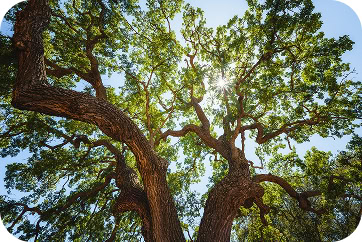
Ashes are returned in an urn, ready to be kept, or spread at a living memorial until spread—either in a shared Spreading Grove or at a private Memorial Tree in a protected Memorial Forest.
Is aquamation available in California?
Yes. Aquamation is legal and available in California. Better Place offers aquamation as one of three carbon-neutral cremation options.
How much does aquamation cost?
Aquamation is slightly more expensive than flame cremation, reflecting the nature of the process. View pricing details
Can you have a memorial service with aquamation?
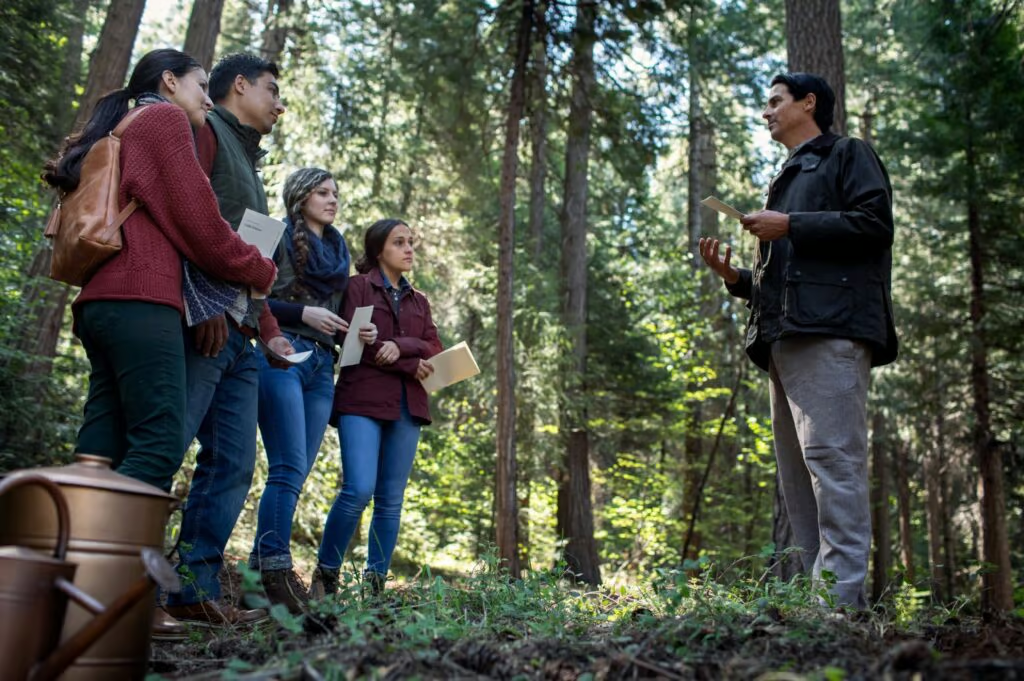
Yes—and with Better Place, a memorial can be something truly meaningful. When you choose a living memorial, ashes can be returned to nature in a protected Memorial Forest, either at a private Memorial Tree or in a shared Spreading Grove. You also have the option to hold a Natural Memorial Ceremony, where family and friends can gather, share memories, and celebrate a life well lived.
Talk to a Guide to inquire about arranging other services like a funeral, viewing or visitation.