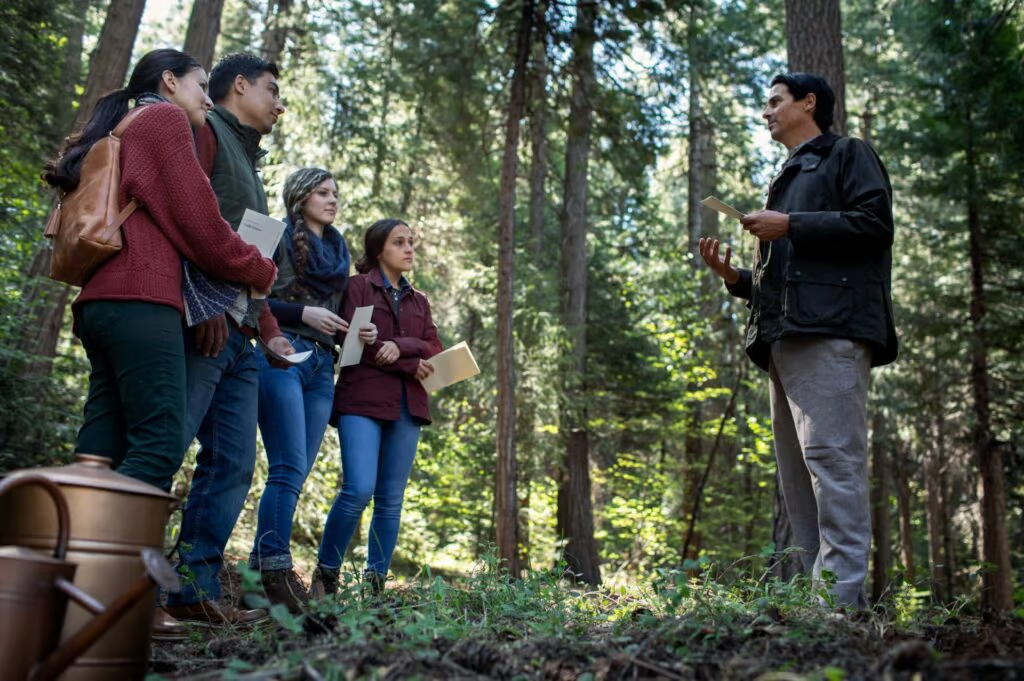
Cremation is now the primary choice for American families. Whether you are exploring traditional flame cremation, water cremation (a cremation alternative) or soil cremation a newer type of cremation, understanding these options will help you choose the type that best aligns with your values. Learn about the costs of direct vs full service cremation and discover the flexibility, affordability and sustainability that cremation offers.
Let’s talk about something we don’t often discuss—but maybe we should. The way we say goodbye to our loved ones is changing, and it’s happening faster than you might think.
For generations, traditional burial was simply what most American families did—it was expected, familiar, and rarely questioned. But today’s families are asking different questions: What feels right for us? What aligns with our values? What makes the most sense for how we actually live? And increasingly, those conversations are leading to cremation.
Cremation: A Cultural Shift
Here’s a number that might surprise you: by 2045, over 82% of Americans are expected to choose cremation. That’s a huge jump from where we are today at 60%, and it’s not just a trend—it’s a fundamental shift in how we think about honoring those we’ve lost.
So what’s driving this change? It’s not just one thing, but a perfect storm of factors that make cremation feel right for more and more families.
Why families are switching to cremation
The reasons are as varied as the families themselves, but a few key factors keep coming up in conversations across the country, according to the 2024 NFDA Cremation and Burial Report.
It’s about real life: We’re not the same society we were 50 years ago. Families are scattered across the country (or even the world), making that traditional idea of visiting a gravesite less practical. When your kids live in different states and your siblings are spread out everywhere, cremation offers flexibility that burial simply can’t match.
The cost factor: Let’s be honest, money talks, especially when families are already dealing with loss. While cremation isn’t automatically cheaper—you can still choose all the same services and ceremonies—it does remove some of the biggest expenses like caskets and burial plots. For many families, this makes a meaningful financial difference.
Environmental consciousness: More people are thinking about their environmental footprint, even in death. Traditional burial involves embalming chemicals (i.e. formaldehyde), takes up permanent land space, and requires lots of resources for caskets and vaults. It’s got many environmentally-conscious families looking for alternatives.
Changing faith and traditions: Here’s something interesting: as fewer Americans identify as religious (28% are now unaffiliated, up from 16% in 2007), the traditional funeral format is becoming less important to many families. It doesn’t mean they care less about honoring their loved ones—they’re just doing it differently.
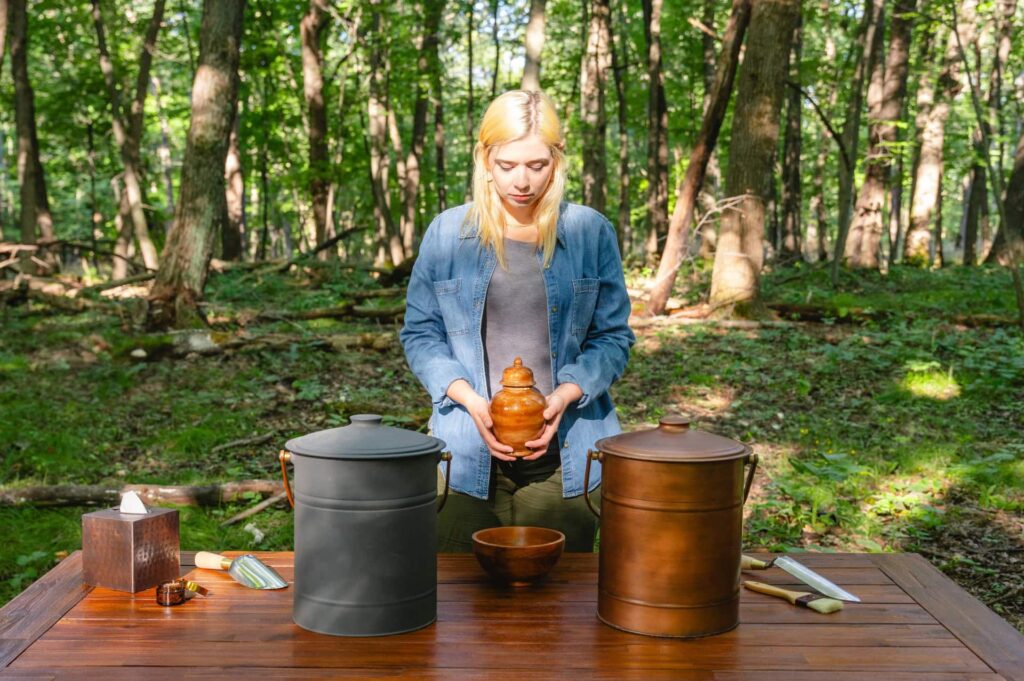
Your cremation options explained
If you are like most families considering cremation, you might be surprised to learn you have more choices than you think. It’s not just one-size-fits-all anymore—there are actually three different cremation methods, each with its own benefits and considerations.
Flame cremation
This is what most people picture when they think of cremation. The process uses intense heat (1,400-2,000°F) to reduce the body to bone fragments, which are then processed into the fine ash that’s returned to families. The process typically takes 1-3 hours and offers several environmental advantages:
- No toxic chemicals: Skips the formaldehyde and other embalming fluids that can leach into soil and groundwater.
- Saves land: No permanent cemetery plots needed, preserving space for parks and conservation.
- Fewer resources: Uses minimal materials compared to caskets, vaults, and burial infrastructure.
The average cost of direct flame cremation is $1,500-$3,000.
Water cremation aka aquamation
Also called alkaline hydrolysis—this is a cremation alternative that’s getting a lot of attention. Instead of flame, it uses water, alkali and an alkaline hydrolysis machine to accelerate the body’s natural decomposition process. The water cremation ashes can then be scattered or buried. The benefits are impressive:
- 90% less energy: Uses significantly less energy than traditional flame cremation processes.
- Zero emissions: Produces no air pollution or harmful environmental discharge.
- Chemical breakdown: Safely breaks down harmful substances, including chemotherapy drugs and medications.
- No toxic byproducts: Completely safe process with zero toxic waste or dangerous residues.
Soil cremation aka natural organic reduction (NOR)
This newer cremation method transforms the body into soil using natural processes. It involves a vessel layered with straw, wood chips, and other organic materials with the body. Over the course of a month, the microbes naturally transform everything into nutrient-dense soil. The environmental benefits are impressive:
- Ultra-low emissions: Produces less than 20kg of CO2 (compared to over 500kg for traditional burial)
- Creates valuable soil: Yields nutrient-rich earth that can support new life
- Minimal energy use: Relies on natural processes rather than high-energy equipment
- Chemical-free: Completely eliminates toxic embalming fluids and preservatives
Carbon-neutral cremation
Here’s where the cremation industry is really stepping up. With over 60% of families now interested in eco-friendly funeral options (according to the National Funeral Director’s Association), modern online providers like Better Place are responding with carbon-neutral cremation services including flame cremation, aquamation and natural organic reduction. While traditional cremation is already more environmentally friendly than burial, carbon-neutral options take it a step further by using carbon offsets to balance out the emissions from the cremation process. It’s a way to honor your environmental values even in your final farewell.
What happens after cremation?
This is where cremation really shines in terms of options. According to the National Funeral Director’s Association, of those who would prefer cremation for themselves, 44.5% would prefer to have their remains scattered in a sentimental place; 17.2% would prefer to bury or inter them at a cemetery; 10.6% would prefer to have them kept in an urn at home; and 9.6% have not decided. The choice is entirely yours, and you can take your time making it.
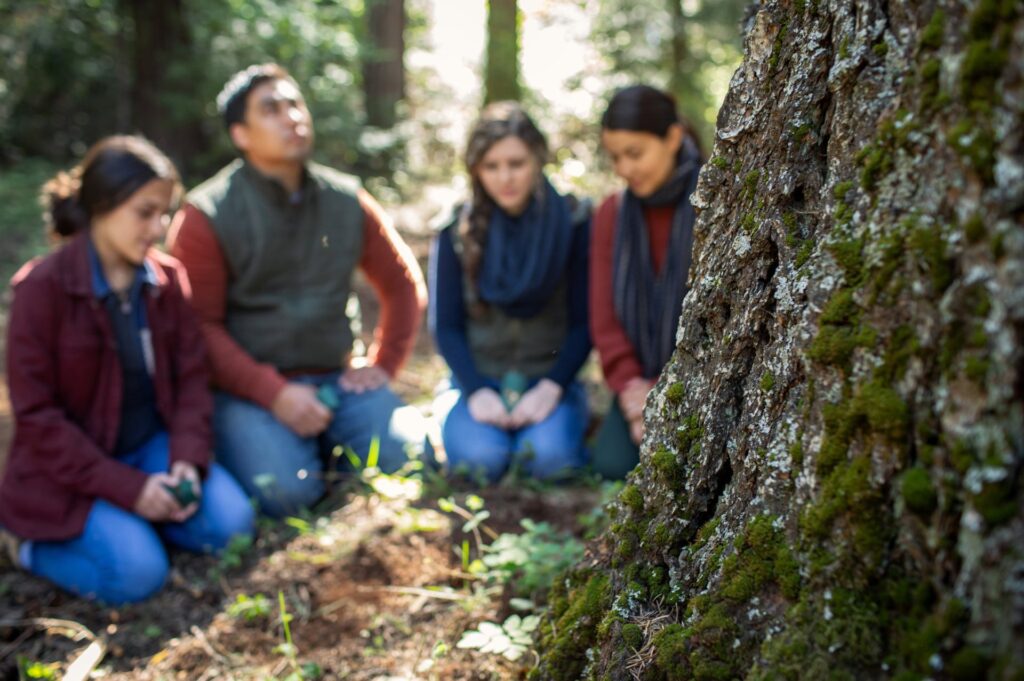
Meaningful memorials
One thing that surprises many people: choosing cremation doesn’t mean giving up on ceremony or celebration of life. You can still have viewings, full funeral services, or memorial gatherings—whatever feels right for your family. In fact, many families are getting creative, hosting celebrations that truly reflect their loved one’s personality and wishes.
Full-service vs direct cremation
Cremation services range from simple disposition to comprehensive ceremonies. Here’s how they differ:
Direct cremation
Direct cremation offers the most straightforward and affordable approach. The body is cremated shortly after death without prior funeral services or visitation. This option typically eliminates embalming and expensive caskets, reducing both costs and environmental impact. Since cremation happens quickly, families can plan memorial services weeks or months later, providing greater flexibility for gathering loved ones.
Direct cremation focuses solely on the cremation process itself, usually occurring shortly after death. Costs typically cover basic cremation services, transportation, and crematory fees, making this the most budget-friendly option. However it is important to note that while direct cremation may seem simple, it does not include a memorial service, final resting place, death certificates or ongoing practical and grief support. You’re left juggling multiple providers, no clear next steps, and no guidance all while grieving.
Full-service cremation
Full-service cremation offers a blend of a traditional funeral experience with the choice of cremation, providing families with a structured and dignified way to say goodbye. This comprehensive option may include transportation, cremation and memorial service. The average full-service cremation is $6,000 – $10,000.
Complete cremation
Better Place provides complete cremation entirely online with everything included—transportation, carbon-neutral cremation, all paperwork, death certificate copies and more. Plus you have the option to add a living memorial and nature memorial ceremony when you’re ready. Better Place is the first complete online cremation and memorialization platform—seamlessly coordinating every detail of end-of-life arrangements with transparency, compassion, and no funeral home visit required.
Planning ahead online
Speaking of doing things differently—nearly 40% of families are now starting their funeral planning process online. It makes sense when you think about it. You can research options, compare services, and even make some arrangements from the comfort of your home, on your own timeline.
Almost half of consumers are now shopping around, visiting or calling multiple funeral homes to compare options. And guess what? Most say it’s getting easier to get the information they need to make informed decisions.
Looking forward
The shift toward cremation reflects broader changes in how we live—we’re more mobile, environmentally conscious, and interested in personalized experiences over traditional rituals. It’s not about caring less; it’s about caring differently.
Whether you’re thinking ahead for yourself or navigating this decision for a loved one, remember that there’s no “right” choice—only what feels right for your family. The most important thing is creating a farewell that honors your loved one’s memory and provides comfort to those left behind.
The world of final farewells is changing, and that’s okay. What matters most is finding the option that feels authentic to your family’s values and your loved one’s wishes. Whether that’s traditional burial, flame cremation, water cremation, or something else entirely—the goal remains the same: honoring a life well-lived and finding peace in saying goodbye.