
Many people know they want to be cremated, but don’t know much else. Cremation has become increasingly popular, and it’s not hard to see why. It offers unmatched flexibility. With cremation, there’s no rush to adhere to a strict schedule or tradition—which means the memorial service can take place wherever and whenever you and your family are ready.
One of the biggest advantages of cremation is affordability. The price of cremation depends on the type of service, location, provider, and any optional viewing or memorial choices. According to the National Funeral Directors Association, the national median cost of a funeral with viewing and cremation was $6,280 in 2023, compared with $8,300 for a funeral with viewing and burial. Direct cremation is generally the lowest-cost option because it removes many of the services associated with a traditional funeral.
Below we’ve created a comprehensive cremation cost guide outlining the different types of cremation services and their associated costs, factors that influence cost, and ways to manage cost to help you make the right decisions regarding cremation.
What Is the Flame Cremation Process and What Are Its Benefits?
Cremation uses high heat inside a cremation chamber to reduce a body to bone fragments, which are then processed into what families commonly call ashes. The process takes place at a crematory after the required authorizations and permits have been completed. Afterward, the cremated remains are placed in a temporary container or one of several types of cremation urns and returned to the family. Families may keep the ashes, create cremation jewelry or another keepsake, scatter them somewhere meaningful, or return them to the earth at a Memorial Tree.
The latest national cremation rate statistics show how quickly preferences are changing. The NFDA projected a U.S. cremation rate of 63.4% for 2025, more than double the projected burial rate of 31.6%. The organization expects cremation to reach 82.3% by 2045. Families choose cremation for many reasons, including affordability, flexibility, reduced space requirements, and the freedom to plan a memorial on their own timeline.
Three Types of Cremation Services
There are three types of cremation services available: direct cremation, online cremation with a memorial service, and cremation with a traditional funeral service. Direct cremation is the most basic and affordable — the body is cremated without ceremony and the ashes are returned to the family. Online cremation with a memorial service sits in the middle: arrangements are handled entirely online for one transparent price that covers the essentials most families end up needing anyway, with a memorial ceremony and resting place added when the family is ready. Cremation with a traditional funeral service is the most elaborate and expensive, offering a viewing and ceremony at a funeral home or crematory where family and friends can gather to say goodbye. Each sits at a different point along a spectrum, with a variety of goods and services you can layer on based on personal preference, adding incremental cost.
1. Direct Cremation
Direct cremation is the most basic form of cremation. It is also the most affordable option. The simple, streamlined process involves collecting your loved one after their passing, performing a cremation without ceremony or witness, and returning the ashes in a basic urn. Typically ashes are placed inside a sealed plastic bag placed inside a cardboard box.
Who’s it for: Families seeking an uncomplicated and cost-efficient option without the complexities of a traditional funeral service.
Advantages: Affordability, simplicity, and the flexibility to plan a service or ceremony in the future at a time and location that works best for you and loved ones to gather.
Disadvantages: There’s no formal opportunity to say goodbye with a viewing or funeral service, which may make grieving or closure difficult for family and friends.
Additional Costs: The cost of direct cremation can increase incrementally if you want to include a viewing before the body is cremated, before direct cremation, or witness the cremation. You may also choose a more expensive urn or cremation casket among other add-ons based on personal preference. You may also reduce the cost by providing your own container for the ashes with most providers. Make sure your container is large enough to house about 6 pounds of ashes.
2023 National General Costs of Direct Cremation
| Service | Average | Low | High |
| Direct cremation (container provided by family) | $2,645 | $100 | $7,025 |
| Direct cremation (container provided by funeral home) | $2750 | $75 | $6,700 |
Source: 2023 NFDA Cremation and Burial Report
2. Online Cremation with a Memorial Service
Online cremation with a memorial service sits between the two extremes. It offers the affordability and simplicity of direct cremation, but adds the things families actually need afterward—paperwork, an urn, an obituary, support, and a place to gather and say goodbye—all arranged from home rather than in a funeral home.
At Better Place, the Complete Cremation Package includes respectful transportation, secure refrigeration, all permits and paperwork, three certified death certificate copies, carbon-neutral flame cremation (aquamation and natural organic reduction also available), a sustainable urn, an online interactive obituary, executor assistance, grief support, and access to a Guide 24/7. When your family is ready, you can add a living memorial: a resting place in a protected Memorial Forest, a Nature Memorial Ceremony, and a personalized Memorial Marker.
Who’s it for: Families who want the simplicity and cost of direct cremation, but still want a meaningful way to gather and remember—and who’d rather handle arrangements online than sit through funeral home appointments.
Advantages: One transparent price with no surprise bills or juggling multiple providers. Cremation happens right away; the memorial happens whenever your family is ready, so out-of-town relatives have time to travel. No embalming, no chemicals, and cremation emissions are fully offset. A permanent place to return to, rather than an urn on a mantle.
Disadvantages: There’s no traditional viewing before cremation, which some families find important for closure. Arranging online may not suit those who prefer in-person, face-to-face planning. Memorial Forest locations are limited to certain regions, so a resting place may not be near everyone.
Additional Costs: Memorial services and resting places are optional add-ons chosen when you’re ready. A Nature Memorial Ceremony starts at $100, a resting place (Memorial Tree or Spreading Grove) starts at $1,250 when bundled with cremation, and a personalized bronze Memorial Marker starts at $500. A family choosing cremation plus a ceremony and resting place typically totals from $4,745—still below the roughly $5,500 it costs to piece the same elements together through a standard direct cremation provider.
3. Cremation with a Traditional Funeral Service
This is the most comprehensive and, consequently, the most expensive cremation option. Families may choose a traditional cremation ceremony, a funeral service with a public viewing, or both. The price can include the basic services fee, transfer of remains, embalming, body preparation, facilities and staff, printed materials, the cremation fee, a cremation container, and an urn. Optional expenses may include a rental casket, flowers, catering, clergy, or a funeral procession. Ask for the provider’s General Price List so you can compare individual services instead of reviewing only bundled packages. It’s important to note that items like flowers, catering, clergy fees, etc will increase costs.
Who’s it for: Families seeking a traditional funeral without a traditional burial.
Advantages: There are no significant time constraints compared to a traditional burial, meaning you can hold the funeral service at a later date to accommodate family and friends who may need to travel or allow more time to plan a meaningful memorial service.
Disadvantages: While cremation is often chosen for its sustainability, if you’re holding a viewing before cremation preservation methods such as embalming which uses highly toxic chemicals are necessary.
Additional Costs: The cost can increase by choosing a limousine, an expensive urn display, flowers, and more.
Adult Funeral With Cremation Costs
| Item | Average Price |
| Basic services fee | $2,495 |
| Removal/transfer of remains to funeral home | $395 |
| Embalming | $845 |
| Other Preparations (e.g. casketing, cosmetology, dressing, grooming) | $295 |
| Use of facilities/staff for viewing | $475 |
| Use of facilities/staff for funeral ceremony | $550 |
| Service car or van | $175 |
| Printed materials (basic memorial package) | $195 |
| Cremation fee (third party) | $400 |
| Subtotal Without Alternative Cremation Container & Urn | $5825 |
| Alternative cremation container | $160 |
| Urn | $295 |
| TOTAL WITH ALTERNATIVE CREMATION CONTAINER AND URN | $6,280 |
Source: 2023 NFDA Cremation and Burial Report
Five Factors That Influence Cremation Costs
1. Geographic Location
The price of cremation varies by state and region because permit requirements, provider costs, demand, and crematory availability differ. Local regulations and zoning laws may also affect where crematories can operate and how many providers serve an area. Compare complete quotes from several local providers rather than relying only on a regional average.
2. Location Type
Within geographic regions, costs can differ greatly depending on where the cremation provider is located. Larger cities and metropolitan areas generally have higher prices due to increased demand, higher overhead costs, and higher costs of living. In contrast, rural areas often offer more affordable options. One reason for this is that smaller cities and towns often have family/independently owned funeral homes that control their pricing.
To get a precise idea of the cost in your area, it’s advisable to research local pricing. Keep in mind that some locations may have more than one crematory or funeral home, each with its own pricing structure. Comparing multiple providers in your location is crucial for making an informed decision.
Adult Funeral With Cremation Costs by Location Type
| Item | Large City (pop. >500,000) | Moderate City (pop. 50,000-499,999) | Small City (pop. 10,000-49,999) | Town/Rural (pop. <10,000 ) |
| Basic services fee | $2,395 | $2,500 | $2,558 | $2,375 |
| Removal/transfer of remains to funeral home | $450 | $450 | $395 | $350 |
| Embalming | $823 | $900 | $850 | $795 |
| Other Preparations (e.g. casketing, cosmetology, dressing, grooming) | $303 | $300 | $295 | $260 |
| Use of facilities/staff for viewing | $520 | $500 | $490 | $445 |
| Use of facilities/staff for funeral ceremony | $595 | $600 | $570 | $525 |
| Service car or van | $195 | $195 | $175 | $150 |
| Printed materials (basic memorial package) | $198 | $195 | $190 | $185 |
| Cremation fee (third party) | $395 | $383 | $400 | $450 |
| Subtotal Without Alternative Cremation Container & Urn | $5,873 | $6,023 | $5,923 | $5,535 |
| Alternative cremation container | $200 | $160 | $150 | $150 |
| Urn | $295 | $295 | $295 | $295 |
| TOTAL WITH ALTERNATIVE CREMATION CONTAINER AND URN | $6,368 | $6,478 | $6,368 | $5,980 |
Source: 2023 NFDA Cremation and Burial Report
3. Crematorium Ownership
Cremation may be cheaper if a funeral home owns its crematory because there’s no need to pay a third party. However, some funeral homes might offset these savings with higher service fees. It’s essential to compare overall costs to determine potential savings.
4. Independent vs. Corporate Funeral Home
Ownership alone does not determine the price or quality of a cremation service. Independent and corporate funeral homes may use different packages, pricing structures, and service models. Compare the same services across providers, review all potential add-on fees, and consider the provider’s reputation, transparency, and level of family support alongside the quoted price.
Things to Remember:
- Not Always Cheaper: Some corporate funeral homes might provide competitive pricing based on local market conditions and competition.
- Compare Prices: Always compare prices from various funeral homes—independent and corporate—to find the best fit for your needs.
- Facility Reputation: Established, well-known funeral homes and crematories may charge higher prices due to their reputation and the quality of service they provide.
- Additional Services: Funeral homes may offer a range of additional services, such as memorial programs, urns, or transportation. These services can add to the overall cost.
- Packages and Customization: Some facilities offer package deals, while others allow more customization of services. Understanding the pricing structure of each facility is crucial to make an informed choice that meets your specific needs and budget.
5. Online vs. In-Person Arrangement
How you arrange the cremation affects what it costs. Traditional funeral homes carry significant fixed overhead—chapels, viewing rooms, parking lots, fleet vehicles, and the staff to run them—and that overhead is built into every price on their general price list, whether or not your family uses those facilities. A family choosing cremation without a viewing or ceremony is often still paying, indirectly, for a building they’ll never set foot in.
Providers that arrange services online operate differently. Without funeral home facilities to maintain, their cost structure is lower, and those savings can be passed to families. Arranging online also removes the practical burden of scheduling in-person appointments during an already difficult week—paperwork, permits, and authorizations can be completed from home, at whatever hour works, rather than across multiple visits.
Price alone isn’t the whole picture, though. The more useful comparison is what’s included at the quoted price. Many low-cost providers advertise a cremation-only fee and bill separately for permits, death certificate copies, an urn, and an obituary—items nearly every family ends up needing. A quote that looks lower on paper can end up costing more once those add-ons are tallied.
Better Place was built as a complete online cremation platform for this reason. The Complete Cremation Package includes transportation, refrigeration, all permits and paperwork, three certified death certificate copies, carbon-neutral cremation, a sustainable urn, an online interactive obituary, executor assistance, grief support, and a Guide available 24/7 — everything handled from home, at one transparent price.
Things to Remember:
- Compare what’s included, not just the headline price. Ask each provider for a written list of what the quoted fee covers and what’s billed separately.
- Ask about permits and death certificates specifically. These are always required and are a common source of unexpected charges.
- Online doesn’t mean unsupported. Ask whether you’ll have access to a real person, and when.
- Confirm the provider is licensed in your state. Online arrangement should still mean a licensed funeral establishment handling the cremation.
Breakdown of Cremation Costs
By breaking down cremation costs into components, you can gain a clearer understanding of the financial aspects involved. Transparent communication with funeral service providers is key to navigating these costs and making decisions that honor the memory of the departed while respecting the financial considerations of the bereaved. Here’s a detailed examination of the key components that contribute to the overall expense:
| Costs | Average Cost |
| Basic Service Fee | $2,500 |
| Cremation Fee | $300-$500 |
| Cost of an Urn | $50-$295 |
| Removal/Transfer Costs | $395 |
| Funeral Service Costs | $550 |
| Embalming Costs | $845 |
| Other Preparations (Casketing, cosmetology, dressing, grooming) | $295 |
| Viewing/Visitation | $475 |
| Cremation Witnessing | $300 |
Source: National Funeral Directors Association, 2023 Member General Price List Study.
Basic Service Fee
The basic service fee is a fundamental element of cremation costs which is on average $2,500. This fee covers the funeral home’s overhead costs, including administrative tasks, obtaining necessary permits, and coordinating arrangements. It serves as the foundational charge for the funeral home’s professional services and is typically non-negotiable. Families should inquire about this fee upfront when discussing cremation options with funeral service providers.
Cremation Fee
The cremation fee is a third-party processing charge, which encompasses the actual cremation procedure and can cost bon average $400. This includes the use of the cremation chamber, fuel, and the labor involved in the process. The cost may vary based on the type of cremation chosen—direct, with a memorial service, or with a traditional funeral service. Families should seek a clear breakdown of these charges to understand how much of the overall cost is allocated to the cremation process itself.
Urn or Container Costs
Selecting an urn or container to hold the cremated remains is a personal choice that also contributes to the overall cost. Urns come in various materials, designs, and sizes, each with its price point. Families can choose a simple container like a cardboard box costing around $50 or opt for more elaborate urns around $295 with intricate designs that can cost several hundred dollars. Understanding the range of options and their associated costs allows families to make choices that align with their preferences and budgets.
Removal/Transfer Costs
This is the fee for transporting the body to the funeral home/crematorium cost on average $395. Families should inquire about transportation fees to gain a comprehensive understanding of this aspect of the cremation process.
Certified Death Certificates and Permits
Certified death certificates are often needed to close financial accounts, transfer property, file insurance claims, and settle an estate. The cost per copy varies by state and county. Ask whether the provider handles the filing process, how many certified copies are included, and what additional copies cost. Some low-priced cremation packages exclude death certificates or charge separately for permits and administrative filing.
Refrigeration and Return of Cremated Remains
Refrigeration may be required while permits, authorizations, and medical documentation are completed. Providers may include the first few days of refrigeration or charge a daily fee after an initial period. Also confirm how the ashes will be returned. Pickup may be included, while shipping, courier service, or expedited delivery of cremated remains may cost more. These details should appear in the provider’s written quote.
Embalming
While not always necessary for cremation, embalming may be required if there is a delay between death and the cremation. This additional service can cost you on average $845.
Other Preparations
Casketing, cosmetology, dressing, and grooming are typically included with a funeral with cremation but will be an additional cost if you would like a viewing before direct cremation.
Viewing or Visitation
Facilities may charge $475 on average for a viewing or visitation. This can involve the preparation of the body, use of facilities, and staff assistance if you want to give friends and family a chance to view the body before cremation.
Cremation Witnessing
Some crematoriums offer the option for family members to witness the actual cremation, which can add a fee of $300 on average.
Additional Costs to Consider
It’s important to account for additional expenses beyond the basic cost of the cremation itself. When planning a cremation service, it’s wise to consider all aspects of the service in advance, so you can budget properly in advance and there are no hidden costs. Below are some additional costs to consider.
Floral Arrangements: The cost of flowers varies based on the size and type of arrangement. Simple bouquets may start at $50, while more intricate displays can cost several thousand dollars.
Headstones and Markers: These are available in various materials like granite, marble, and bronze, affecting the price significantly. Costs range from a few hundred dollars for basic markers to thousands for custom monuments.
Obituary Publication: Newspapers and online platforms charge fees to publish obituaries, determined by their length, placement, and how long they are published.
Catering/Reception: If you’re hosting a gathering post-service, factor in the costs of food and beverages. Some funeral homes offer catering, or you can hire caterers independently.
Clergy Fees: Holding a religious service may involve fees for the officiating clergy member.
Venue Rental for Memorial Service: If you’re planning a separate memorial service, renting a location will add to the costs. Options include community centers, banquet halls, places of worship, and restaurants.
Videography/Photography: Some families choose to hire professionals to capture the service for those who can’t be there in person.
Virtual Funeral Service: This is an additional service that allows family and friends to gather on an online platform.
Cremation vs. Burial: Cost Comparison
A direct cost comparison shows why many families consider cremation. The NFDA reports that a funeral with viewing and cremation had a national median cost of $6,280 in 2023, compared with $8,300 for a funeral with viewing and traditional full-service burial. The burial figure does not include costs such as a cemetery plot, vault, monument, or marker, which can increase the total. Direct cremation can cost less because it generally excludes embalming, a casket, public viewing, funeral procession, and cemetery expenses. Actual funeral prices vary by location and the services selected.
Types of Cremation Service Providers
When choosing cremation services, it’s important to recognize the different types of providers available that fit your preferences and budget. Understanding these options will help you make informed decisions that align with your needs and financial situation. Here are the main types of providers to help guide your decision:
- Funeral Home: Offers comprehensive services for cremation, including planning and memorializing. Though they may come at a higher cost, they provide extensive support and personalized care.
- Cremation Society: Specializes in direct cremation and can assist with memorial planning. They strike a balance between service quality and affordability, avoiding non-essential services to keep costs low. Joining such societies grants access to discounted rates and simplified services, making them an appealing choice for those seeking budget-friendly alternatives.
- Cemetery: If you own a plot in a cemetery, their office can provide cremation recommendations and may offer integrated services, which can streamline costs and arrangements.
- Online Cremation: Available in select states, online cremation service providers like Better Place, often offer the lowest prices, because no funeral home visit is required. Instead, they allow you to plan cremation online from the comfort of your home. While staffed with funeral directors, they typically provide minimal hands-on assistance.
4 Ways to Manage Cremation Costs
Navigating the financial aspects of cremation during a time of loss requires thoughtful consideration. Here are some practical strategies to manage costs.
1. Pre-Paid Cremation Plan
A prepaid cremation plan lets you arrange and pay for end-of-life services, like online cremation with a memorial or cremation with a funeral, in advance with a funeral home. This can ease the burden on your loved ones when the time comes. You can set up and pay for these plans either in person or online—secure services at today’s rates—ensuring everything is taken care of ahead of time providing both peace of mind and financial assurance.
2. Online Cremation
Arranging cremation online rather than through a traditional funeral home is one of the more effective ways to manage costs. Without the overhead of chapels, viewing rooms, and on-site facilities, online providers can offer lower prices—and because everything is coordinated remotely, families can complete paperwork and permits from home rather than scheduling in-person appointments during an already difficult week. The key is choosing a provider that includes the essentials—permits, death certificates, an urn, an obituary—in one price, rather than billing them separately on top of a low advertised fee.
3. Comparison Shop
Request the funeral home’s General Price List, which shows the available goods and services with itemized prices. Use this itemized price list to compare funeral prices for basic services, transportation, refrigeration, crematory charges, death certificates, urns, and optional ceremonies. Under the FTC Funeral Rule, families can purchase only the goods and services they want and may use an alternative container instead of a casket for cremation. Compare the final total rather than relying only on an advertised starting price
4. Financial Help
If you need financial assistance, consider these options:
Burial insurance: If the person had final-expense or burial insurance, review the benefit, named beneficiary, waiting period, and claim requirements. Do not assume the policy will cover the full price of cremation until the insurer confirms the available benefit.
Help with burial costs for veterans: Eligible families may qualify for a VA burial allowance or reimbursement for certain funeral and transportation expenses. Eligibility and benefit amounts depend on the Veteran’s service and circumstances.
Social Security: An eligible surviving spouse or child may qualify for Social Security’s one-time $255 death payment. This will not cover the full cremation cost, but it may help with a small portion of the expenses.
Community assistance: Local nonprofits, religious organizations, county programs, and social-service agencies may provide limited assistance or referrals to lower-cost providers. Availability and eligibility vary by location.
What Comes After You Choose Cremation?
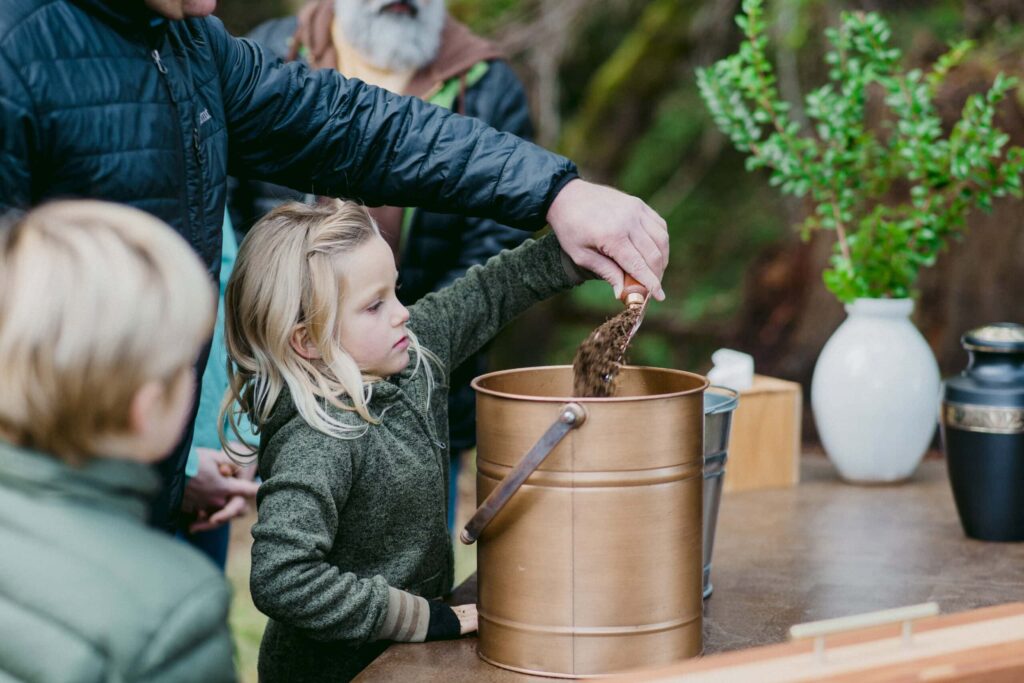
After cremation, it’s so important to think about where you want the ashes to go. There are so many options now of what you can do with ashes: from creating ashes tattoo ink to returning ashes to the earth in a forest. Whatever you decide to do, it’s important to make sure that the next step aligns with your values and budget.
1. Memorial Service Costs
Renting a space for a memorial service can vary greatly, from a few hundred dollars to several thousand, depending on the venue and services provided. These can include venue rental, memorial programs, and any specific requests for the service. When considering memorial service costs, which can vary widely, many families are now looking toward more unique and personal ways to honor their loved ones.
Better Place offers a serene forest setting for a memorial ceremony, which can be a beautiful alternative to traditional services. For intimate gatherings, Nature Memorial Ceremonies start at $500 for up to 10 guests. Larger groups can also be accommodated, with services for 31 or more guests available for around $1,500.
2. Memorial Tree for Cremation Ashes
With Better Place, you can spread a loved one’s ashes at the base of a Memorial Tree in a protected forest. Simply select a Memorial Tree from one of Better Place’s protected Memorial Forests offering a natural alternative to cemeteries that celebrate the natural cycle of life.
3. Keepsakes for Ashes
Cremated remains can be kept in a traditional urn, divided among keepsake urns, placed in biodegradable urns or living urns, or incorporated into cremation jewelry and artwork. Urn engraving can add a name, date, quote, or short personal message. The right option depends on whether the ashes will be displayed, shared among family members, scattered, or returned to the earth. For families who want a lasting place to visit, Better Place offers Memorial Trees in protected forests as an alternative to keeping ashes in an urn
4. Outdoor Ash Scattering
Having an ash scattering ceremony is a meaningful way to honor someone who has been cremated. This allows family and friends to celebrate their loved one’s life while spreading their ashes in a special location. When choosing a spot, consider a place that offers a lasting point of remembrance, like a Memorial Tree in a Memorial Forest, rather than somewhere like the ocean where future visits may be difficult.
Is Cremation Right for Me?
The decision to cremate a loved one is a deeply personal and emotional one. Navigating the associated costs certainly plays into the decision. Understanding your options and factors influencing pricing can help you better manage expenses.
After the cremation process, families receive the ashes, paving the way for various meaningful tributes. Many find solace in scattering ashes in locations significant to their loved ones, while others opt for personalized urns or even turning ashes into memorial jewelry. A unique and eco-friendly alternative is choosing a Memorial Forest. If you are interested in the idea of selecting a Memorial Tree, reach out to Better Place.
FAQs
What is the cheapest cremation?
The most cost-effective option is online cremation. This straightforward process involves the cremation of the deceased without a traditional funeral service, minimizing additional expenses associated with ceremonies and viewings.
How much does the most basic cremation cost?
The average cost of a direct cremation has a national median price of $2,000-$2,200 according to recent studies. However, prices can vary based on location and specific service providers.
How much do urns typically cost?
Basic containers, like a cardboard box, range from $50 to $100. On average, an urn costs about $295. However, the price can vary depending on the size and material. Custom-made urns crafted from materials such as glass, bronze, or ceramic can reach up to $2,000. In general, the more elaborate urns with intricate designs will increase the cost.
What is typically included in the price of cremation?
The price of cremation usually includes transportation into the provider’s care, required paperwork, a basic cremation container, the cremation itself, and return of the ashes in a temporary container. Refrigeration, certified death certificates, permits, an upgraded urn, home delivery, viewings, and memorial services may be included or charged separately. Always request a written, itemized quote before making arrangements.
Can body donation reduce cremation costs?
Some body donation programs cover cremation-related expenses when a donor is accepted. Science Care, for example, states that its program covers transportation, cremation, death certificate and permit filing, and return of cremated remains after acceptance. Registration does not guarantee acceptance, so families should review eligibility requirements and maintain an alternative plan.