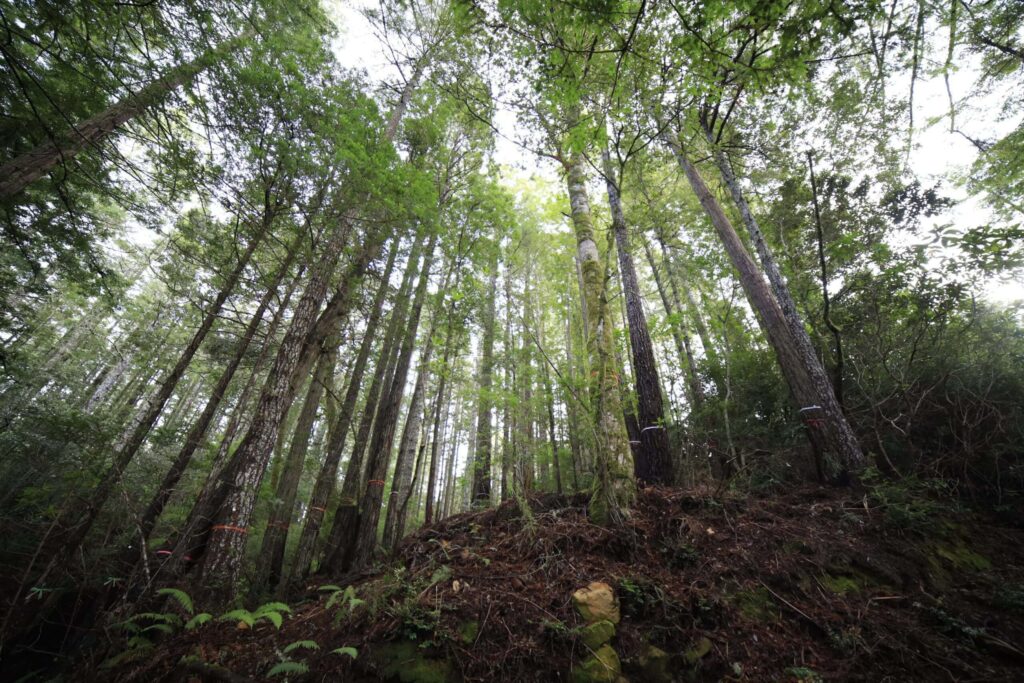
If nature has always been an important part of your life, you might be wondering how you can help protect it after you’re gone. You can donate money to your favorite environmental causes, of course, but did you know you can also make a difference by choosing a natural burial?
Many traditional burial practices can have significant negative effects on the environment, including the release of toxic substances into the soil and water. However, there are end-of-life options like a natural burial that can have a lasting positive impact on the environment.
What is Natural Burial?
A natural burial is a poignant return to the earth, allowing us to rejoin the cycle of life with minimal environmental impact. This practice is gaining momentum, driven by its simplicity, affordability, and profound respect for nature.
Unlike conventional methods, natural burials offer a range of choices that reflect individual wishes and financial considerations, all while prioritizing ecological integrity
Is Natural Burial Environmentally Friendly?
Yes. The essence of a natural burial lies in its gentle approach to the earth. This method forgoes the use of chemical preservatives and non-biodegradable materials, choosing instead to employ biodegradable caskets or simple shrouds made from natural fibers. The interment process itself is mindful of the environment, favoring hand-dug graves over those made by machinery, thereby preserving the tranquility of the landscape.
In contrast, a traditional burial can have a significant negative impact on the environment. Embalming fluids used to preserve the body can eventually release formaldehyde and other toxic chemicals into the soil and groundwater, along with harmful substances from the lacquered finish found on most caskets. And that doesn’t include the immense amount of energy and resources used every year to produce non-biodegradable caskets and burial vaults.
Is Natural Burial Legal?
Navigating the legal landscape of natural burials is essential. While widely permitted across the United States, regulations can vary state to state, affecting where and how a natural burial can be conducted. For example, some states restrict natural burial to established cemeteries, while others allow it on private land, so long as the site complies with certain regulations and ordinances. Other states will require you to hire a certified funeral director.
When considering this end-of-life option for yourself or a loved one, you should begin by carefully checking all applicable state and local laws. Generally speaking, natural burial can take place wherever it’s legal.
Natural Burial Types
Here are the most common kinds of natural burial sites:
Hybrid Cemeteries
These are areas within conventional cemeteries where burial occurs without a concrete vault, chemical embalming, and with a biodegradable container.
Natural Burial Cemeteries
Green burials or natural burials are designed to be better for the planet by putting bodies in their final resting places in biodegradable caskets or urns and fewer dangerous toxins. They take place in a cemetery or burial ground designed exclusively for natural burials.
Conservation Preserves
A conservation burial is a burial on land that’s been legally designated for conservation purposes—protecting and restoring the natural environment, including area plants and wildlife.
Private Plot
Another possibility is home burial, or choosing a final resting place on residential property. Choosing home burial means you’ll first have to ensure that the site qualifies under local and state law. It could mean legally establishing the site as a family cemetery.
How Much Does Natural Burial Cost?
The cost of natural burial can vary significantly, depending on a number of factors. Will it be a home burial, or will it take place in a green cemetery or on conservation property? Will there be a funeral or memorial service? Will you need to hire a funeral director, per state law? Are you considering a biodegradable casket or a burial shroud?
All that said, natural burial can be less expensive than a traditional burial. Prices for a green burial plot are in the region of $4,000 to $10,000 in California, per US Funerals Online. Compare that with the many expenses of traditional burial—the casket and burial vault alone can easily top $4,000.
Who Offers Natural Burials?
Along with additional information and resources, the Green Burial Council has a list of certified cemeteries and funeral homes in the U.S. and Canada. You can also contact funeral directors in your area and ask about natural burial providers.
Natural Burial vs. Cremation
In recent years, cremation has become more popular than burial in the U.S. Many people choose cremation because they don’t want to participate in the harmful effects of traditional burial, which generally involves embalming chemicals and caskets made of materials that don’t biodegrade.
Alternative to Natural Burial
If you’re deciding between cremation or natural burial, there are other sustainable options that you may want to know about.
Aquamation
Aquamation is an environmentally friendly kind of cremation that’s also known as water cremation. Because it essentially uses water instead of fire to turn a body into ashes, aquamation has a 75% lower carbon footprint. This is a newer cremation method, so it’s only currently legal in some states.
Human Composting
A few states are beginning to legalize human composting, or natural organic reduction, where the body is gently transformed into soil. Microbes and other organic materials are combined with the body to support decomposition. At the end of the process, you are left with rich soil.
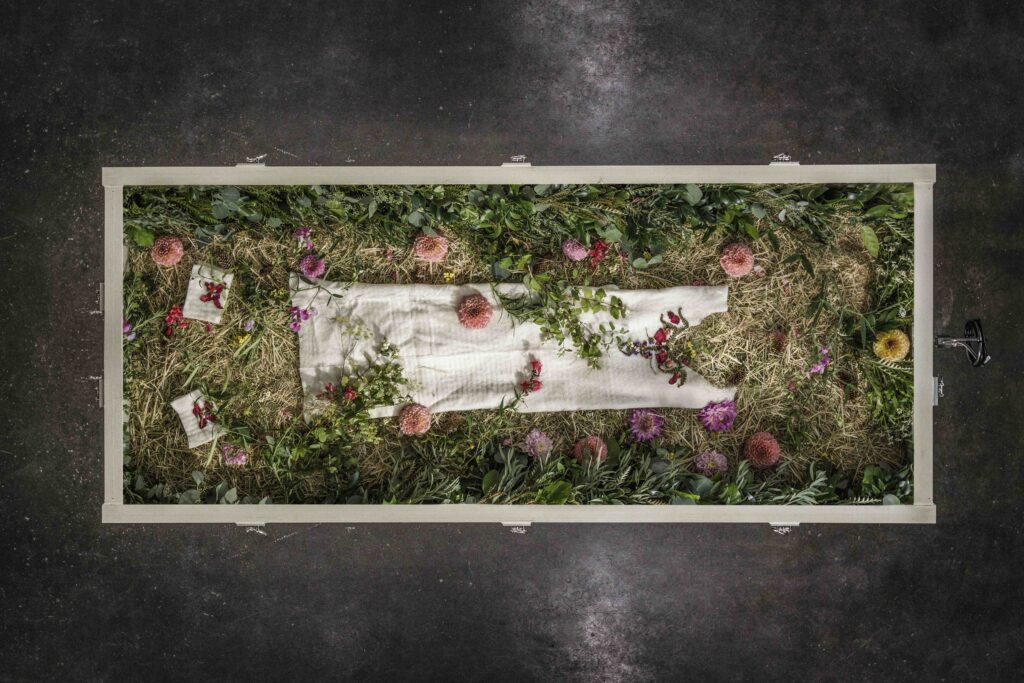
Image courtesy of Return Home, a provider of terramation or human composting services.
Tree Pods
Ashes or a full body are placed in a biodegradable urn with soil and tree seeds/a sapling.
Memorial Trees
Ashes or remains are interwoven with soil and placed around a mature tree.
Whatever your reasons for thinking about natural burial or cremation, there’s almost certainly an option to fit your needs. And if you’re planning a funeral or memorial service, you might consider alternatives that forgo the typical expense and formality of traditional services.