Catholic funerals carry centuries of ritual and comfort—mixing solemn prayers with moments of shared memory. If you’re organizing a service or simply want to understand what happens next, this guide walks through each stage, so you can focus on what really matters.
Catholic Funeral Traditions and Customs
Catholic funerals blend sacred ritual with personal remembrance—honoring a life while pointing toward resurrection and eternal hope. Whether you’re planning for someone else or sketching out your own wishes, these traditions can feel like a reassuring roadmap through a painful time.
When Someone Dies: The Three Key Stages
Catholic funerals usually follow the “Order of Christian Funerals,” which breaks down into three parts:
- The Wake (or Vigil)
- The Funeral Mass
- The Committal (Burial or Interment)
Each stage has its own meaning—and its own chance for comfort, prayer, and connection.
1. The Wake (Vigil)
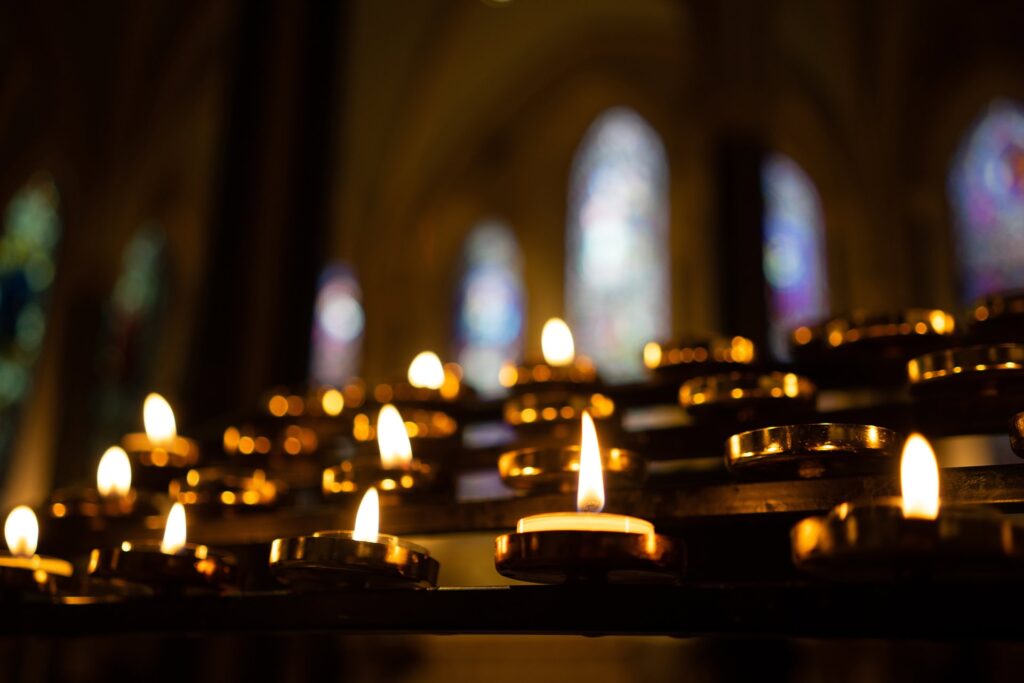
Usually held one or two days after passing, the wake brings family and friends together—often in a funeral home or church hall. You’ll see candles flickering, hear soft prayers of the Rosary, and feel that shared quiet as everyone begins to process the loss. A priest or deacon leads brief readings from Scripture, and loved ones sometimes offer a few words of remembrance. It’s a gentle, communal way to say, “We’re here for each other.”
2. The Funeral Mass
This is the heart of the Catholic farewell. Imagine a Sunday Mass, but with extra layers of remembrance:
- Entrance Rite: The casket—or urn—comes in under a pall (a cloth covering), and holy water is sprinkled as a reminder of baptism and new life.
- Liturgy of the Word: We listen to Scripture readings chosen by the family—maybe comforting psalms or passages about hope beyond death.
- Homily: The priest weaves faith and story together, offering a message of comfort and resurrection.
- Liturgy of the Eucharist: For those who receive Communion, this moment ties the community together in Christ’s presence.
- Final Commendation: The priest says prayers of commendation—entrusting the soul to God’s mercy—often with incense rising like our prayers.
Through all this, you’ll feel the steady beat of tradition: we mourn, yes, but we trust in God’s promise.
3. The Committal
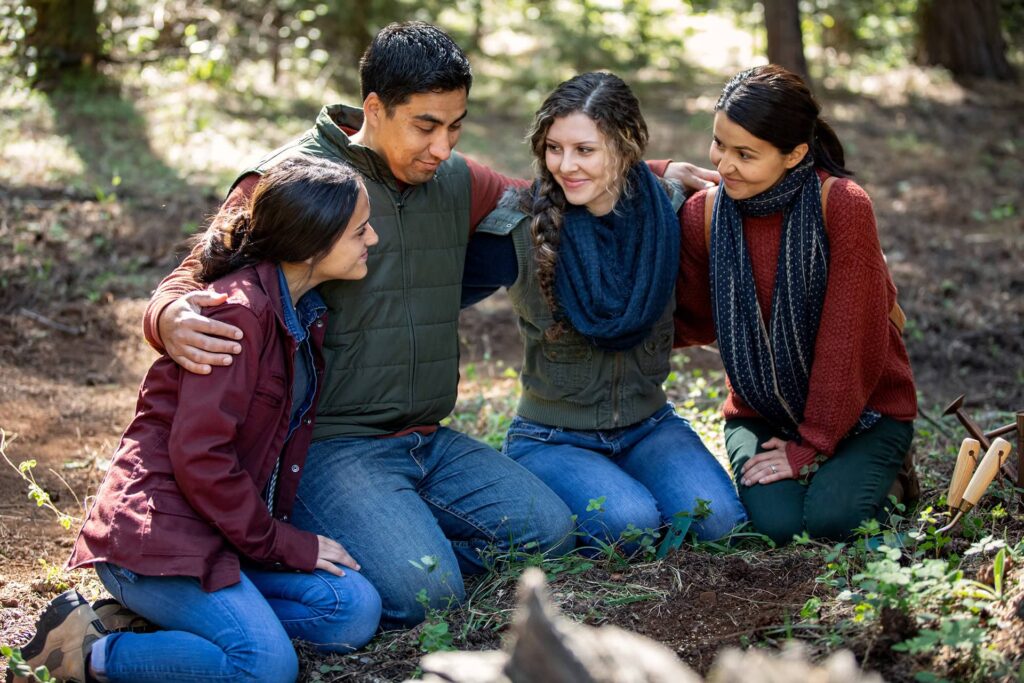
After Mass, everyone moves to the burial site—cemetery, mausoleum, or a memorial grove if you’ve chosen a natural setting. Here, a brief service unfolds:
- Prayers for the dead and a final blessing
- Lowering the casket or placing the urn
- The words “ashes to ashes, dust to dust” (if cremated) remind us of life’s cycle
- A final sign of peace among those gathered
This last part can be tough—tears fall freely—but it also brings a sense of release, a sacred “goodbye for now.”
Frequently Asked Questions
How soon does a Catholic funeral happen?
Usually within 2–7 days of death (not on Sundays or holy days). Cremation means a slight pause until ashes return.
What order does the funeral Mass follow?
Expect about 30–60 minutes for Mass, then 30–45 minutes more at the committal site.
How long does it last?
Expect about 30–60 minutes for Mass, then 30–45 minutes more at the committal site.
What should I wear?
Dark, modest, respectful—black or muted tones. Cover shoulders and knees in church. If the family asks for something different, they’ll let you know.
Are flowers okay?
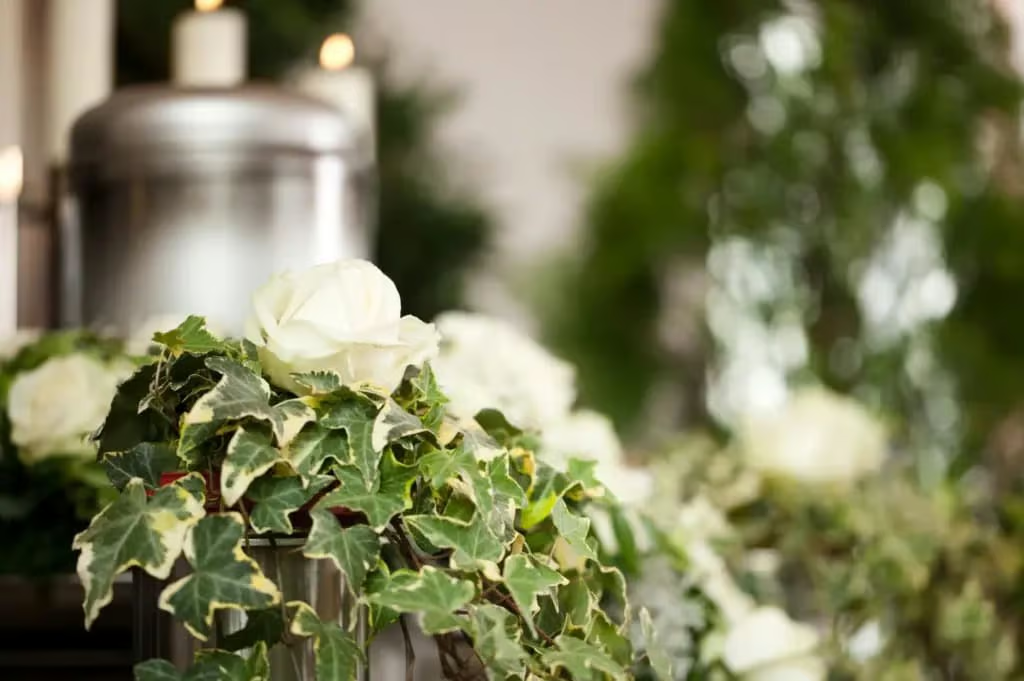
Yes, please. Floral arrangements near the casket or altar are a longstanding tradition.
Funeral Planning Tips
- Burial or Cremation? The Church allows both—but ashes must stay in a sacred, permanent place.
- Who Leads Each Part? A priest or deacon handles prayers; family or friends can read Scripture or share memories.
- Personal Touches: Maybe a favorite hymn, a photo display, or planting a memorial tree afterward. Better Place can help blend tradition with a nature-centered ceremony.
Blending Funeral Tradition and Personal Meaning
It’s perfectly fine—and often beautiful—to mix the old with the new. Imagine a solemn funeral Mass, then a peaceful committal under towering oaks where ashes are interred beneath a young sapling. That’s faith and nature, hand in hand.
Final Thoughts
Catholic funeral rites are steeped in hope: even in our grief, we look forward to new life. From the vigil’s quiet prayers to the Mass’s communal embrace, each moment holds both sorrow and promise. When you’re ready to plan—or just want to learn more—Better Place is here with resources, support, and a listening ear.