Resources

Articles, guides, and checklists

Better Together

Get guidance on grief, planning and finding your better place. Start with our free welcome guide.

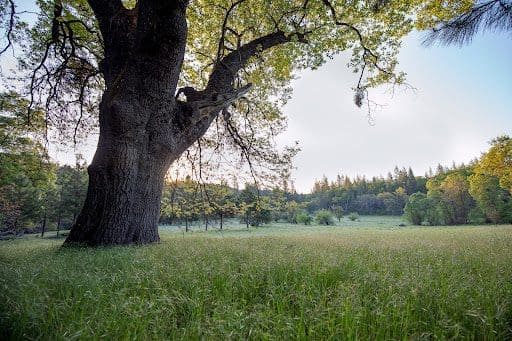
A large oak tree looking out over a meadow. An example of a place for a natural burial

Natural Burial: A Sustainable End of Life Option

Natural burial is a sustainable end-of-life option that has many benefits, both for the individual and for the environment. 

If you’re considering natural burial for yourself or a loved one, read on to learn more about this beautiful and earth-friendly way to honor a life well lived. This type of burial is growing in popularity across America. 

Learn more about the process of how a natural burial works, alternatives you might want to consider, and some of the pros and cons of this eco-friendly option.

What is natural burial? 

Natural burial is the process of burying a whole human body in the ground in a way that allows the body to decompose naturally. By using biodegradable materials, foregoing embalming fluid and cremation, natural burials reduce our environmental footprint.

Natural burial sites are often referred to as “green burial sites” or “green cemeteries.”

How natural burial works

Natural burial begins with digging a shallow grave in a native habitat like a woodland or meadow. The body is not embalmed or chemically preserved. Typically, the body is wrapped in biodegradable materials like cotton or muslin, but sometimes people will use a coffin or casket made of biodegradable material like wicker. The grave does not use a burial vault or outer container (used in traditional graves to prevent the body from coming in contact with soil). The grave should be shallow enough that once the body is placed, microbes and bacteria can begin the decomposition process. You can think of this process as similar to composting you might do in your garden.

The body begins decomposing after death, and it can take anywhere from 2 years to 20 years for the body and bones to completely decompose. The type of soil, natural bacteria present, and moisture content all affect the pace of decomposition.  

Why people choose natural burial

There are three common reasons people choose natural burial:

Why natural burial: 1. Circle of life

Many people like the idea of returning to the earth in a simple, straightforward way. Natural burial allows us to rejoin the natural cycle of life with minimal environmental impact.

Why natural burial: 2. Leaving a “green” legacy

Green burial sites are often protected meadows, woodland, or forests. By choosing this method of interment, your choice helps protect these natural spaces for the next generation.

Why natural burial: 3. Minimizing environmental impact

Natural burial does not use chemicals, concrete, or steel caskets. Natural burial is a way to leave a minimal negative environmental footprint.

Tips on how to plan a natural burial

If you’re considering natural burial, it’s important to find out what regulations exist in your area, as they may influence your decision.

1. Natural burial near me: How to find a provider

Finding the right provider is a crucial first step, but can be overwhelming. We compiled a guide to help you with your search to find a reputable and trustworthy resource near you. Be sure to check out our guide here.

If you’re struggling to find a green burial option you like in your area, it’s possible to have a body sent to a neighboring state. If that’s not an option for you, you may want to consider cremation or aquamation (water cremation) and scattering the ashes in a natural space.

2. Green Funeral Homes: 10 Tips for Choosing a Provider

Once you’ve identified a few possible natural burial providers near you you’ll need to choose one. How do you choose the right provider for your needs? We’ve created 10 essential tips for choosing a green funeral home for natural burials. Our tips range from inquiring about certification to the type of cemetery.

It’s often possible to prepay for your natural burial site. Be sure to clearly document what you’ve chosen and what you have/have not paid for. We highly recommend having a conversation with your family before your time of need.

Alternatives to natural burial

Typically people considering natural burial are interested in an eco-friendly, non-traditional option. Here are a few alternatives to consider: 

  1. Human Composting/Natural Organic Reduction/Terramation/Recomposition: Similar to natural burial, the body is placed directly in the soil with organic materials to begin decomposing. The soil is often housed in a stainless steel vessel in a human composting facility. Typically, after 8-12 weeks, the soft tissue of the body is decomposed. Human composting sites will often crush the remaining bones and mix them into the soil.  A typical body yields a cubic ton of soil, which can be a lot for surviving family members to manage. 
  2. Tree Pods: Ashes or a full body are placed in a biodegradable urn with soil and tree seeds/a sapling.
  3. Memorial Trees: Ashes or remains are interwoven with soil and placed around a mature tree. 
  4. Water Cremation/Aquamation: Water cremation uses 90% less energy than flame cremation. The body is placed in a vessel with water and alkali salts until it decomposes. Bone fragments are returned to the family as a fine white powder, often still referred to as ashes. You can spread these ashes in a natural location.
The pros and cons of natural burial

Pros of natural burial: 

  1. Natural burial is a sustainable choice for those who want to reconnect with the natural environment when they have reached the end of their life. 
  2. It allows people to connect with nature in an eco-friendly way, without causing any harm to the environment. 
  3. It protects natural habitats. Instead of land being manicured landscapes, natural burial sites are part of the local ecosystem, and support local wildlife.
  4. Natural burial is often more affordable than traditional burial.

Cons of natural burial: 

  1. It may be difficult to find a provider near you. While this option is becoming more popular, it’s not common across America just yet.
  2. It may require additional paperwork and working with a funeral home. 
  3. It may be harder for loved ones to visit the burial site. This varies from site to site, but not all sites use a marker. Your loved ones may want a place they can easily find with a marker. 
  4. Green Burials need to happen quickly. Because no embalming fluids are used, the body needs to be placed in the ground quickly. This can add stress and pressure to loved ones planning a funeral/celebration of life.

In conclusion, natural burial is an accessible, eco-friendly, and meaningful form of interment. It provides the opportunity to reduce one’s environmental footprint, honor the dead in a natural way.

This option is growing in popularity but still isn’t common in America, so it’s best to plan ahead to help alleviate challenges for surviving family members. When you’re ready to begin making end-of-life plans, schedule a free online forest tour with one of our guides to compare memorial trees to natural burial.

Share Article

Better Together

Get guidance on grief, planning and finding your better place. Start with our free welcome guide.

Want to know more?

A family walks through the forest to look into affordable burial options
9 Affordable Burial and Cremation Options
Final arrangements are no longer an afterthought. A growing number of people are being proactive about their funeral plans and considering the environmental impact of their choices, which has led to rising interest in natural burial. Unlike conventional methods, natural burial offers a range of options that are often more affordable, simple, and environmentally conscious. According to the National Funeral Director’s Association 2024 Consumer Awareness and Preferences Report, 68% of respondents expressed interest in natural burial—up from 55.7% in 2021. This shift signals a broader cultural shift in how we approach end-of-life decisions. People are prioritizing values like environmental stewardship and their connection to nature. As a result, natural burial has emerged as a meaningful and sustainable alternative to traditional practices, symbolizing a more thoughtful and values-driven approach to honoring loved ones. Whether it’s about reducing your environmental footprint, connecting with nature, or creating a more meaningful goodbye, natural burial redefines how we rest. This guide explores what natural burial is, why it’s on the rise, and what it costs. 5 Reasons Why People Are Choosing Natural Burial More and more people are opting for natural burials—and with good reason. Here are five reasons why more people are opting for natural burial: 1. Sustainability Natural burials are designed to have minimal environmental impact. They avoid harmful embalming chemicals, reduce land disruption, and conserve natural resources. Unlike traditional burials, which emit around 250 pounds of carbon, natural burials can sequester approximately 25 pounds. This makes natural burial an excellent end-of-life choice for anyone prioritizing the health of our planet. By forgoing embalming and choosing minimally invasive burial methods, natural burials honor both the land and the body of the deceased. The process supports the natural cycle of life, enriching the earth with nutrients rather than polluting it. 2. Conservation Natural burial grounds forego embalming fluids, require biodegradable coffins, and conserve land which help protect and restore natural landscapes. Funds paid to natural burial plots are also reinvested into conserving forests, meadows, and other ecosystems. “The purpose of conservation is to offer the greatest good to the greatest number of people for the longest time,” says the chief of the US Forest Service American Forester Gifford Pinchot. Every natural burial helps protect forest ecosystems where wildlife and plant habitats can thrive while giving families a place to honor their loved ones. 3. Return to Nature Natural burial allows you to return to the earth. By allowing the body to naturally decompose, nutrients are recycled into the soil, fueling new life and a return to the natural cycle. This practice embraces minimal intervention, often using biodegradable caskets or shrouds to support the process. It highlights that our bodies belong to nature and when they return to the earth they can help continue the cycle of life. 4. Reflect Your Values Many people spend their life caring for the world around them whether through recreational gardening or more involved philanthropic efforts. With natural burial, these values can guide one’s final resting place. For those dedicated to enjoying the outdoors and caring for the planet, it’s only fitting to choose a final resting place in nature. A natural burial provides a meaningful resting place while reflecting values of care, sustainability, and simplicity. 5. Participation Natural burials provide families with an opportunity to play a more active role in the end-of-life process. Instead of immediately handing over the process when a loved one passes, families are encouraged to be directly involved in creating heartfelt, intimate goodbyes. This hands-on approach allows families to honor their loved ones in a way that aligns with their values and wishes, bringing a sense of comfort and peace during a difficult time. Additionally, natural burial sites offer ongoing opportunities for connection with loved ones to celebrate memories while enjoying the beauty of nature. The Issues with Traditional Burial For decades, traditional burial practices have shaped how families navigate the loss of a loved one. These practices often rely on costly services and leave families with an expensive and resource-intensive end-of-life system that can feel detached from personal connection. On top of that, environmental concerns have become increasingly significant. Traditional burials center around embalming, metal caskets, and heavy concrete vaults. And while this offers familiarity, it also has its issues. Embalming fluids, non-biodegradable materials, and excessive land usage take a toll on the planet, leaving many questioning if there’s a better way. As more people recognize these challenges, the demand for environmentally sustainable and emotionally resonant end-of-life choices has fueled interest in natural burials. Who’s Choosing Natural Burial Natural burial isn’t limited to a specific type of person. Its appeal lies in the simplicity, sustainability, and personalized experience it offers. This choice typically resonates with: Individuals who prioritize eco-friendly practices Those seeking a closer connection to nature Families desiring more active roles in honoring their loved ones’ lives Natural burial embraces people from all walks of life. Whether you’re a conservationist, an avid gardener, or someone who cherishes the outdoors, this option reflects a shared respect for the environment. Environmentally-Conscious Burial Options There are many ways to choose a more sustainable end-of-life option than what’s offered with traditional burial. Among the non-traditional approaches gaining popularity are natural burial, human composting, water cremation, and fire cremation. Each method offers unique environmental benefits, but natural burial stands out as the most sustainable choice. Here’s a quick comparison of the environmental benefits and costs associated with these non-traditional methods: Comparison of Non-Traditional Disposition Methods Method Net Carbon Footprint Fuel Expenditure Amount of left-over product for disposal Enviro Benefits (➕) & Costs (–) Natural Burial Sequesters 25lbs CO2 per burial,10 tons per acre Transportation to cemetery None ➕ Land protection ➕ Nutrient contribution to soil Human Composting Unknown ・Producing and transporting natural materials to the facility ・Construction and maintenance of facility and units ・Transporting finished material 1+ cubic yard of leftover material 10-15 pounds of pulverized bone ➕ Resortation of depleted soil – Material acquisition – Facility maintenance Water Cremation 150-200lbs CO2 emissions per person ・Electricity or propane to heat 100 gal of water under pressure for 3-12 hrs ・Processing and transport of potassium hydroxide 100-300 gallons of effluent 10-156 lbs of pulverized bone – Potential algae bloom from runoff – Disposal of effluent Fire Cremation 250-536lbs CO2 emissions per person Up to 500 gallons of field, usually natural gas to burn at 2000℉ for 3-4 hours 7-10 lbs of pulverized bone – Potential algae bloom from runoff – Mercury poisoning of air and water Source: Green Burial Council Challenges of Natural Burial The key challenge to natural burial is the need for pre-planning coupled with many people’s reluctance to discuss end-of-life plans. Since the body is not embalmed, the burial process needs to happen quickly, adding a layer of urgency. This paired with the small amount of natural burial sites can be tricky because natural burial sites are not yet abundent, making accessibility for many a roadblock. Arranging for transportation of the body is possible, but having early discussions and a clear plan in place helps reduce the stress of last-minute decisions, ensuring a smoother process for loved ones. Planning for the Future Natural burial is changing how we approach end-of-life traditions. Could natural burial sites be the cemeteries of the future? It’s entirely possible as more people rethink tradition and acknowledge environmental challenges. Natural burial represents an opportunity for positive change—enabling families to make impactful choices about their legacy.
Why People Are Choosing Natural Burial in 2025
A woman walks through a cremation garden in the forest
What is a Cremation Garden?
LET US GUIDE YOU

Whenever you’re ready, we’re here

IMMEDIATE NEED
Someone has died

We’ll guide you through exactly what to do, right now.

PREPARING
Facing a loss

Start preparing for the loss of a loved one in the near future.

HAVE ASHES
Holding ashes

Give ashes a permanent resting place in nature.

LOOKING AHEAD
Planning for the future

Make your wishes clear now, so your family never has to guess.

Talk to a Guide, 24/7

When you’re ready, we’re here.

Explore at your own pace

See the two ways families honor a life.