Resources

Articles, guides, and checklists

Better Together

Get guidance on grief, planning and finding your better place. Start with our free welcome guide.

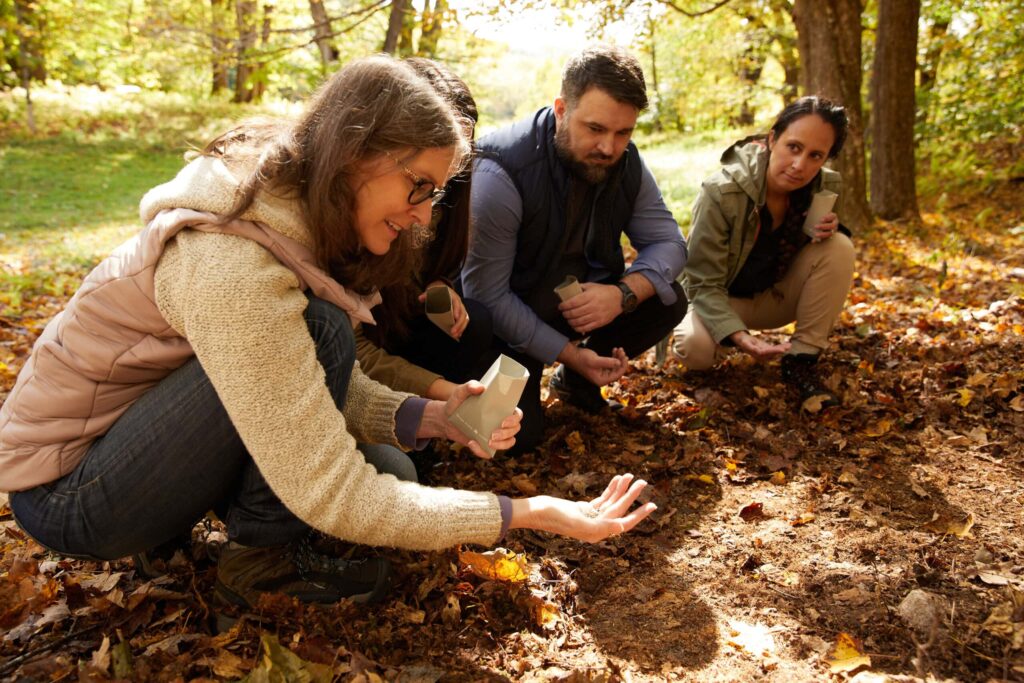
a family spreads ashes at a memorial tree. you can spread aquamation at a tree

Biodegradable Urns for Ashes

Long ago, Native American tribes practiced the sacred tradition of returning their loved ones to the earth with respect and care. They understood the cycle of life and chose to honor it by using natural elements such as memorial trees in their burial practices. This practice reflected a deep bond with the land and a commitment to preserving it for future generations.

Today, as we seek ways to cherish our loved ones while upholding sustainable values, biodegradable urns for ashes have become a preferred choice. These urns honor the ancient traditions of returning to the earth, creating a lasting tribute to those we’ve lost while nourishing the planet they once graced. For environmentally-conscious families, biodegradable urns offer a meaningful way to keep cherished memories alive in harmony with nature.

What is a Biodegradable Urn?

Simpy put, urns are vessels for ashes biodegradable urns are environmentally-friendly vessels created to hold the ashes of the departed. Their purpose is to provide a respectful yet sustainable option for eco-friendly memorials, aligning with the growing desire to reduce our ecological footprint even after death. Unlike traditional urns, biodegradable urns are made from natural materials that decompose over time, gently merging with the earth without causing harm.

Materials like bamboo, recycled paper, or natural clays are common in building these urns. They are carefully selected for their ability to break down and safely decompose in the environment. Some biodegradable urns are even designed to support the growth of a tree or plant, transforming the burial site into a living memorial. This allows for a continuation of life, symbolizing the ongoing legacy of the deceased and offering a living, growing tribute that friends and family can visit and cherish.

How Biodegradable Urns for Burials Works

Once buried, the biodegradable urn decomposes, gradually integrating with the surrounding soil. The rate at which these urns degrade can vary depending on the material they’re made from and the conditions of the burial site. Some may start to break down in just a few months, while others might take a couple of years to return completely to the earth.

The process is a quiet partnership with nature, as the urn’s materials enrich the soil, sometimes even providing nutrients to support new plant growth. This allows for a cycle of life to continue in the flourishing landscape of our planet. By selecting a biodegradable urn for burial, you can feel satisfied with choosing a method that honors your loved one’s memory in a natural, eco-friendly way.

Types of Biodegradable Cremation Urns

Families seeking a sustainable farewell, can choose from various biodegradable urns, such as:

  • Paper Urns: Often made from recycled materials, these urns are sturdy and can include seeds for planting, transforming the burial site into a living memorial as the urn and its contents biodegrade.
  • Salt Urns: These urns are ideal for water burials and designed to dissolve completely in water. It naturally disperses the ashes and leaves no harmful residue behind.
  • Gelatin Urns: Similar to salt urns, gelatin-based urns are also meant for water burials, offering a respectful way for the ashes to join the aquatic environment.
  • Plant Fiber Urns: Made from sustainable fibers such as bamboo or wicker, these urns are suited for earth burials and decompose over time, enriching the soil without any adverse environmental impact.
  • Clay Urns: These urns, crafted from natural clay, offer an earth-friendly option that gradually returns to the soil, merging with the earth in a gentle decomposition process.
  • Mushroom Urns: These are created from fast-growing and highly durable mushroom mycelium. It breaks down quickly in soil, leaving behind beneficial nutrients in the soil.
  • Tree Pods: Buried beneath a seedling, fostering a symbiotic relationship where the urn decomposes while providing nutrients for the growing tree.
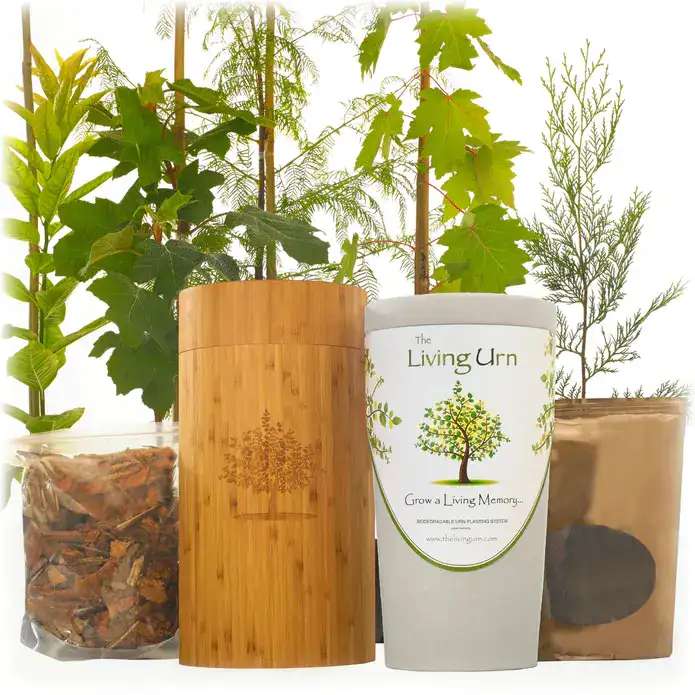
Photo by The Living Urn

Environmental Benefits of Biodegradable Urns

Biodegradable urns offer numerous environmental benefits compared to traditional urns made from metal or stone:

  • Natural Decomposition: Traditional urns can take hundreds or even thousands of years to decompose in landfills, contributing to a growing waste problem. Biodegradable urns, on the other hand, are designed to break down naturally over time, leaving no harmful residues behind.
  • Sustainable Materials: These urns are crafted from renewable resources like bamboo, recycled paper, or clay, promoting environmental conservation.
  • Reduced Pollution: The production of biodegradable urns often involves fewer harsh chemicals and processes compared to traditional urns. This reduces the release of harmful pollutants into the environment.
  • Eco-Friendly Legacy: Opting for a biodegradable urn aligns the memorial with eco-conscious values, offering peace of mind that the last tribute to a loved one also cares for the earth. Choosing biodegradable urns supports a lifestyle of environmental responsibility, contributing to a healthier planet.
  • Promotion of healthy ecosystems: Some biodegradable urns are designed with embedded seeds that can sprout into trees or plants when planted with the ashes. This allows families to plant a memorial tree for their beloved deceased, contributes to reforestation efforts, and provides habitat for wildlife.

The Role of Biodegradable Urns in Grieving and Memorializing

Choosing a biodegradable urn can be an important part of the grieving process. It allows us to express our love and respect for the deceased by ensuring their final resting place is in harmony with the natural world. It’s a poignant way to acknowledge the cycle of life and death, embracing the idea that from the earth we come and to the earth, we shall return. This choice can offer comfort in knowing that the tribute to our loved one also contributes positively to the environment, leaving a legacy of care and respect for nature.

There’s a profound emotional benefit in making a decision that reflects a commitment to the planet. It can bring a sense of purpose and continuity during loss, providing a tangible way to act upon the important values of the person we’re mourning. Knowing that the memorial has a lasting, positive impact can be a source of healing, offering a gentle reminder that our loved ones continue to inspire and make a difference even after they have left us.

Choosing the Right Eco-friendly Cremation Urn

Deciding on an eco-friendly cremation urn is a personal process reflecting your values and how you want to remember your loved one. So, be sure to keep the following factors in mind:

  • Intended Final Resting Place: Consider where the urn will be placed. For earth burials, select an urn that naturally integrates with the soil. For water burials, choose an urn designed to dissolve safely in water.
  • Urn Size and Capacity: Ensure the urn you select is appropriately sized to hold all the cremated ashes. Biodegradable urns come in various capacities to accommodate different needs.
  • Personal and Environmental Values: Choose an urn that reflects your loved one’s legacy and your commitment to the environment. The urn should be a fitting tribute that aligns with your memorial preferences and ecological considerations.

A Legacy of Love and Respect for Nature

In choosing a biodegradable urn, we make a statement that goes beyond the immediate act of memorializing a loved one. It’s a declaration of our commitment to the environment and a reflection of our values. Biodegradable urns allow us to create a lasting tribute that honors the memory of those we’ve lost and affirms our respect for our ecosystem.

Biodegradable urns for ashes ensure our loved ones’ legacies contribute positively to the cycle of life. These urns are for families who seek to commemorate life’s journey with consideration for the future of our planet. In this choice, we find a way to continue the spirit of care and sustainability our loved ones championed in life, making it part of their everlasting story.

Share Article

Better Together

Get guidance on grief, planning and finding your better place. Start with our free welcome guide.

Want to know more?

Final arrangements are no longer an afterthought. A growing number of people are being proactive about their funeral plans and considering the environmental impact of their choices, which has led to rising interest in natural burial. Unlike conventional methods, natural burial offers a range of options that are often more affordable, simple, and environmentally conscious. According to the National Funeral Director’s Association 2024 Consumer Awareness and Preferences Report, 68% of respondents expressed interest in natural burial—up from 55.7% in 2021. This shift signals a broader cultural shift in how we approach end-of-life decisions. People are prioritizing values like environmental stewardship and their connection to nature. As a result, natural burial has emerged as a meaningful and sustainable alternative to traditional practices, symbolizing a more thoughtful and values-driven approach to honoring loved ones. Whether it’s about reducing your environmental footprint, connecting with nature, or creating a more meaningful goodbye, natural burial redefines how we rest. This guide explores what natural burial is, why it’s on the rise, and what it costs. 5 Reasons Why People Are Choosing Natural Burial More and more people are opting for natural burials—and with good reason. Here are five reasons why more people are opting for natural burial: 1. Sustainability Natural burials are designed to have minimal environmental impact. They avoid harmful embalming chemicals, reduce land disruption, and conserve natural resources. Unlike traditional burials, which emit around 250 pounds of carbon, natural burials can sequester approximately 25 pounds. This makes natural burial an excellent end-of-life choice for anyone prioritizing the health of our planet. By forgoing embalming and choosing minimally invasive burial methods, natural burials honor both the land and the body of the deceased. The process supports the natural cycle of life, enriching the earth with nutrients rather than polluting it. 2. Conservation Natural burial grounds forego embalming fluids, require biodegradable coffins, and conserve land which help protect and restore natural landscapes. Funds paid to natural burial plots are also reinvested into conserving forests, meadows, and other ecosystems. “The purpose of conservation is to offer the greatest good to the greatest number of people for the longest time,” says the chief of the US Forest Service American Forester Gifford Pinchot. Every natural burial helps protect forest ecosystems where wildlife and plant habitats can thrive while giving families a place to honor their loved ones. 3. Return to Nature Natural burial allows you to return to the earth. By allowing the body to naturally decompose, nutrients are recycled into the soil, fueling new life and a return to the natural cycle. This practice embraces minimal intervention, often using biodegradable caskets or shrouds to support the process. It highlights that our bodies belong to nature and when they return to the earth they can help continue the cycle of life. 4. Reflect Your Values Many people spend their life caring for the world around them whether through recreational gardening or more involved philanthropic efforts. With natural burial, these values can guide one’s final resting place. For those dedicated to enjoying the outdoors and caring for the planet, it’s only fitting to choose a final resting place in nature. A natural burial provides a meaningful resting place while reflecting values of care, sustainability, and simplicity. 5. Participation Natural burials provide families with an opportunity to play a more active role in the end-of-life process. Instead of immediately handing over the process when a loved one passes, families are encouraged to be directly involved in creating heartfelt, intimate goodbyes. This hands-on approach allows families to honor their loved ones in a way that aligns with their values and wishes, bringing a sense of comfort and peace during a difficult time. Additionally, natural burial sites offer ongoing opportunities for connection with loved ones to celebrate memories while enjoying the beauty of nature. The Issues with Traditional Burial For decades, traditional burial practices have shaped how families navigate the loss of a loved one. These practices often rely on costly services and leave families with an expensive and resource-intensive end-of-life system that can feel detached from personal connection. On top of that, environmental concerns have become increasingly significant. Traditional burials center around embalming, metal caskets, and heavy concrete vaults. And while this offers familiarity, it also has its issues. Embalming fluids, non-biodegradable materials, and excessive land usage take a toll on the planet, leaving many questioning if there’s a better way. As more people recognize these challenges, the demand for environmentally sustainable and emotionally resonant end-of-life choices has fueled interest in natural burials. Who’s Choosing Natural Burial Natural burial isn’t limited to a specific type of person. Its appeal lies in the simplicity, sustainability, and personalized experience it offers. This choice typically resonates with: Individuals who prioritize eco-friendly practices Those seeking a closer connection to nature Families desiring more active roles in honoring their loved ones’ lives Natural burial embraces people from all walks of life. Whether you’re a conservationist, an avid gardener, or someone who cherishes the outdoors, this option reflects a shared respect for the environment. Environmentally-Conscious Burial Options There are many ways to choose a more sustainable end-of-life option than what’s offered with traditional burial. Among the non-traditional approaches gaining popularity are natural burial, human composting, water cremation, and fire cremation. Each method offers unique environmental benefits, but natural burial stands out as the most sustainable choice. Here’s a quick comparison of the environmental benefits and costs associated with these non-traditional methods: Comparison of Non-Traditional Disposition Methods Method Net Carbon Footprint Fuel Expenditure Amount of left-over product for disposal Enviro Benefits (➕) & Costs (–) Natural Burial Sequesters 25lbs CO2 per burial,10 tons per acre Transportation to cemetery None ➕ Land protection ➕ Nutrient contribution to soil Human Composting Unknown ・Producing and transporting natural materials to the facility ・Construction and maintenance of facility and units ・Transporting finished material 1+ cubic yard of leftover material 10-15 pounds of pulverized bone ➕ Resortation of depleted soil – Material acquisition – Facility maintenance Water Cremation 150-200lbs CO2 emissions per person ・Electricity or propane to heat 100 gal of water under pressure for 3-12 hrs ・Processing and transport of potassium hydroxide 100-300 gallons of effluent 10-156 lbs of pulverized bone – Potential algae bloom from runoff – Disposal of effluent Fire Cremation 250-536lbs CO2 emissions per person Up to 500 gallons of field, usually natural gas to burn at 2000℉ for 3-4 hours 7-10 lbs of pulverized bone – Potential algae bloom from runoff – Mercury poisoning of air and water Source: Green Burial Council Challenges of Natural Burial The key challenge to natural burial is the need for pre-planning coupled with many people’s reluctance to discuss end-of-life plans. Since the body is not embalmed, the burial process needs to happen quickly, adding a layer of urgency. This paired with the small amount of natural burial sites can be tricky because natural burial sites are not yet abundent, making accessibility for many a roadblock. Arranging for transportation of the body is possible, but having early discussions and a clear plan in place helps reduce the stress of last-minute decisions, ensuring a smoother process for loved ones. Planning for the Future Natural burial is changing how we approach end-of-life traditions. Could natural burial sites be the cemeteries of the future? It’s entirely possible as more people rethink tradition and acknowledge environmental challenges. Natural burial represents an opportunity for positive change—enabling families to make impactful choices about their legacy.
Why People Are Choosing Natural Burial in 2025
A woman walks through a cremation garden in the forest
What is a Cremation Garden?
a dad and daughter stand in the forest next to a large tree. Thinking about what states allow human composting
What States Allow Human Composting (2024)
LET US GUIDE YOU

Whenever you’re ready, we’re here

IMMEDIATE NEED
Someone has died

We’ll guide you through exactly what to do, right now.

PREPARING
Facing a loss

Start preparing for the loss of a loved one in the near future.

HAVE ASHES
Holding ashes

Give ashes a permanent resting place in nature.

LOOKING AHEAD
Planning for the future

Make your wishes clear now, so your family never has to guess.

Talk to a Guide, 24/7

When you’re ready, we’re here.

Explore at your own pace

See the two ways families honor a life.