Resources

Articles, guides, and checklists

Better Together

Get guidance on grief, planning and finding your better place. Start with our free welcome guide.

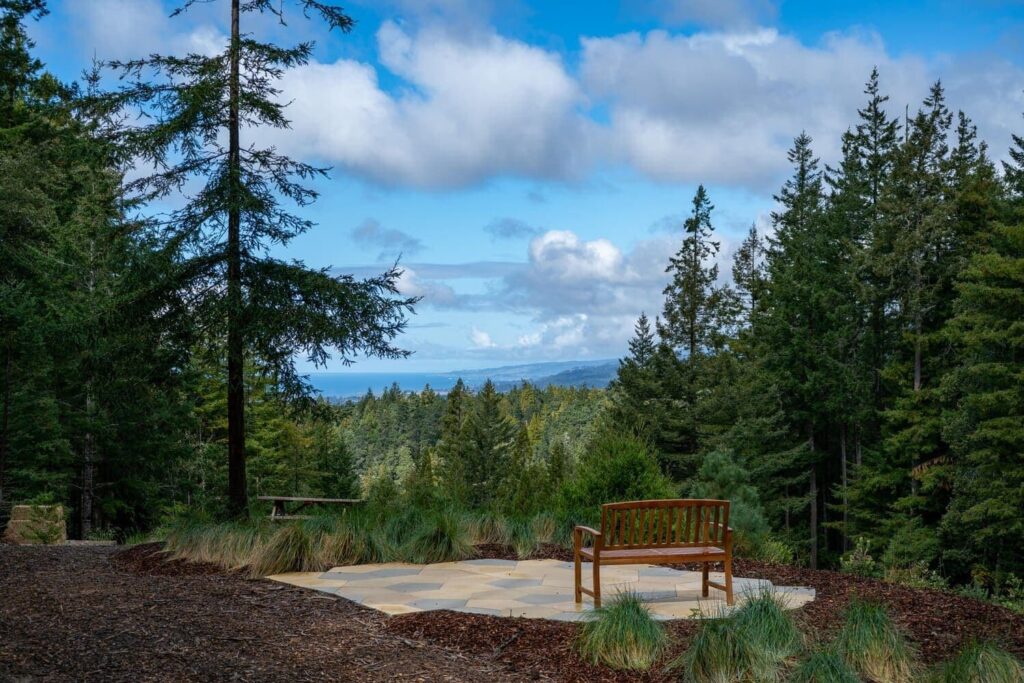
Bench in a Better Place Forests Memorial Forest looking out over view of the ocean. A place to contemplate deep topics like the King James Bible and cremation or uplifting phrases for a sick person.

Green Funeral Homes: 10 Tips on Choosing a Provider

Green burials have been gaining more attention in recent years as trends shift away from traditional burial methods in favor of more affordable, eco-friendly alternatives. In June 2020, there were 287 recognized green funeral homes in the US and Canada. Just over four years later, that number has grown to 466, according to the Green Burial Council, demonstrating the increased demand for sustainable burial options.

While the industry is expanding, green burials are not yet as mainstream as cremation, making it more challenging to understand these services fully. What exactly are green burial services, and how do you choose the right one for your needs? Here are eleven essential tips to help you find a green funeral home that’s right for you.

What is a Green Burial?

A green burial, also known as a natural burial, is a sustainable end-of-life option. It’s a respectful way of burying the dead with minimal environmental impact that aids in the conservation of natural resources. By eliminating non-biodegradable materials there’s a reduction of carbon emissions and land benefits.

Green Burial Tip: 1. Regulations

While green burials are legal in most states, specific regulations can vary widely. These regulations may include required burial depths or distances from water sources. It’s crucial to ensure that the green funeral home you choose is knowledgeable about and compliant with all relevant state laws to avoid any legal issues.

  • Compliance: Verify that the funeral home adheres to all state-specific burial regulations.
  • Licensing: Ensure the cemetery is properly licensed. Licensing confirms that the provider meets regulatory requirements.
  • Protected-Land: Check that the cemetery grounds are protected indefinitely, ensuring the burial site remains undisturbed for future generations.

Remember, cemeteries can be operated by various entities, including religious organizations, cities, counties, or cemetery districts, the military, Native American tribal organizations, and other groups. If you’re unsure who regulates a particular cemetery, don’t hesitate to ask the greenmanager for clarification.

Green Burial Tips: 2. Type of Cemetery 

Different green funeral homes offer various cemetery options. Knowing the types of options available will help you choose a cemetery that aligns with your values and preferences. See whose near you by checking out our Partner Directory.

Here are some common options:

Green Burial Options: Hybrid Cemeteries

These are areas within conventional cemeteries where green burial occurs without a concrete vault, chemical embalming, and with a biodegradable container. 

Green Burial Options: Natural Burial Cemeteries

These cemeteries are dedicated entirely to green burials, employing all three elements of a green burial: a non-toxic body preparation, the absence of a concrete vault, and the use of a biodegradable container.

Green Burial Options: Conservation Preserves

In a conservation cemetery, a land trust entity preserves land that is partly used for green burials. This helps protect and restore wildlife habitats.  

Green Burial Options: Private Plot

In some cases, individuals may opt for a private cemetery on their own property. This can be a meaningful and personal way to honor a loved one while adhering to green burial principles.

Green Burial Tips: 3. Mission & Activities

Understanding the green funeral home’s mission and activities can provide insight into their commitment to sustainability and whether their vision aligns with your values. Some green funeral home cemeteries offer recreational or educational programs, community events, bird watching, or walking trails. These activities make the cemetery a social hub (while balancing a respectful tone), where life continues, promoting a sense of community and connection to nature.

Green Burial Tips: 4. Certification

Check whether the green funeral home is certified by the Green Burial Council. This certification ensures that the provider adheres to specific eco-friendly standards and practices. A certified provider is committed to reducing the environmental footprint of their burials, making them a trustworthy choice for your needs.

Green Burial Tip: 5. Better Business Bureau Rating

Check the green funeral home’s reputation by looking up their ranking on the Better Business Bureau (BBB) website. A good BBB ranking indicates that the green funeral home provider is reputable and has a history of satisfactory customer service.

Green Burial Tip: 6. Tour the Land 

Before making a decision, tour the green funeral home’s cemetery grounds to ensure they are well-maintained. A well-kept cemetery reflects the provider’s commitment to preserving the environment and honoring the deceased.

Green Burial Tip: 7. Time Frame & Refrigeration

It’s important to get clarity from the green funeral home about the timeline of events once a loved one perishes. Is the green funeral home able to move quickly? Or, do they only offer burials on specific days? Will they allow you to delay a green burial if needed?

Refrigeration is a natural alternative to embalming, preserving the body until burial. If you do need to delay services, keep in mind that a refrigerated body lasts about three to four weeks. Inquire with the green funeral home how long they can keep the body before burial and if they have enough space to keep the body on site. This service may impact overall cost.

Green Burial Tip: 8. Biodegradable Containers & Shrouds

Green burials require biodegradable containers instead of traditional caskets made of steel, bronze, or exotic hardwoods. Options include pine coffins, wicker baskets, papier-mâché eco-pods, or even shrouds made of natural materials. Ensure that the green funeral home offers suitable biodegradable containers that meet your needs and budget.
Green Burial Tip: 9. Ceremony

Verify that you can personalize your ceremony if that’s of interest to you. Clergy services, military honors, music of all description may be part of honoring the life of a loved one. Discuss these options with the green funeral home to ensure they can accommodate your wishes and provide a fitting tribute.

Also inquire if the green funeral home allows family gatherings and participation during the green burial process. Involving family members can make the ceremony more personal and meaningful, allowing loved ones to actively take part in honoring the deceased.

Green Burial Tip: 10. Memorial Markers

Ask if the green funeral home uses natural markers (rather than traditional tombstones) to mark the grave. Natural markers, such as engraved rocks, wooden plaques, or even planting a memorial tree, blend seamlessly with the environment and maintain the natural beauty of the burial site. They also reduce the ecological impact compared to traditional tombstones. Discuss these options with your green funeral home to find a choice that honors your loved one in the most environmentally-conscious way.

Is Green Burial Right for Me?

Green burial is one of many sustainable end-of-life options. The availability of providers near you may limit your choices. Another natural alternative to cemeteries is a Memorial Tree in a protected forest. To learn more about, choosing a tree instead of a tombstone, schedule a call with one of our Guides.

Share Article

Better Together

Get guidance on grief, planning and finding your better place. Start with our free welcome guide.

Want to know more?

A family walks through the forest to look into affordable burial options
9 Affordable Burial and Cremation Options
Final arrangements are no longer an afterthought. A growing number of people are being proactive about their funeral plans and considering the environmental impact of their choices, which has led to rising interest in natural burial. Unlike conventional methods, natural burial offers a range of options that are often more affordable, simple, and environmentally conscious. According to the National Funeral Director’s Association 2024 Consumer Awareness and Preferences Report, 68% of respondents expressed interest in natural burial—up from 55.7% in 2021. This shift signals a broader cultural shift in how we approach end-of-life decisions. People are prioritizing values like environmental stewardship and their connection to nature. As a result, natural burial has emerged as a meaningful and sustainable alternative to traditional practices, symbolizing a more thoughtful and values-driven approach to honoring loved ones. Whether it’s about reducing your environmental footprint, connecting with nature, or creating a more meaningful goodbye, natural burial redefines how we rest. This guide explores what natural burial is, why it’s on the rise, and what it costs. 5 Reasons Why People Are Choosing Natural Burial More and more people are opting for natural burials—and with good reason. Here are five reasons why more people are opting for natural burial: 1. Sustainability Natural burials are designed to have minimal environmental impact. They avoid harmful embalming chemicals, reduce land disruption, and conserve natural resources. Unlike traditional burials, which emit around 250 pounds of carbon, natural burials can sequester approximately 25 pounds. This makes natural burial an excellent end-of-life choice for anyone prioritizing the health of our planet. By forgoing embalming and choosing minimally invasive burial methods, natural burials honor both the land and the body of the deceased. The process supports the natural cycle of life, enriching the earth with nutrients rather than polluting it. 2. Conservation Natural burial grounds forego embalming fluids, require biodegradable coffins, and conserve land which help protect and restore natural landscapes. Funds paid to natural burial plots are also reinvested into conserving forests, meadows, and other ecosystems. “The purpose of conservation is to offer the greatest good to the greatest number of people for the longest time,” says the chief of the US Forest Service American Forester Gifford Pinchot. Every natural burial helps protect forest ecosystems where wildlife and plant habitats can thrive while giving families a place to honor their loved ones. 3. Return to Nature Natural burial allows you to return to the earth. By allowing the body to naturally decompose, nutrients are recycled into the soil, fueling new life and a return to the natural cycle. This practice embraces minimal intervention, often using biodegradable caskets or shrouds to support the process. It highlights that our bodies belong to nature and when they return to the earth they can help continue the cycle of life. 4. Reflect Your Values Many people spend their life caring for the world around them whether through recreational gardening or more involved philanthropic efforts. With natural burial, these values can guide one’s final resting place. For those dedicated to enjoying the outdoors and caring for the planet, it’s only fitting to choose a final resting place in nature. A natural burial provides a meaningful resting place while reflecting values of care, sustainability, and simplicity. 5. Participation Natural burials provide families with an opportunity to play a more active role in the end-of-life process. Instead of immediately handing over the process when a loved one passes, families are encouraged to be directly involved in creating heartfelt, intimate goodbyes. This hands-on approach allows families to honor their loved ones in a way that aligns with their values and wishes, bringing a sense of comfort and peace during a difficult time. Additionally, natural burial sites offer ongoing opportunities for connection with loved ones to celebrate memories while enjoying the beauty of nature. The Issues with Traditional Burial For decades, traditional burial practices have shaped how families navigate the loss of a loved one. These practices often rely on costly services and leave families with an expensive and resource-intensive end-of-life system that can feel detached from personal connection. On top of that, environmental concerns have become increasingly significant. Traditional burials center around embalming, metal caskets, and heavy concrete vaults. And while this offers familiarity, it also has its issues. Embalming fluids, non-biodegradable materials, and excessive land usage take a toll on the planet, leaving many questioning if there’s a better way. As more people recognize these challenges, the demand for environmentally sustainable and emotionally resonant end-of-life choices has fueled interest in natural burials. Who’s Choosing Natural Burial Natural burial isn’t limited to a specific type of person. Its appeal lies in the simplicity, sustainability, and personalized experience it offers. This choice typically resonates with: Individuals who prioritize eco-friendly practices Those seeking a closer connection to nature Families desiring more active roles in honoring their loved ones’ lives Natural burial embraces people from all walks of life. Whether you’re a conservationist, an avid gardener, or someone who cherishes the outdoors, this option reflects a shared respect for the environment. Environmentally-Conscious Burial Options There are many ways to choose a more sustainable end-of-life option than what’s offered with traditional burial. Among the non-traditional approaches gaining popularity are natural burial, human composting, water cremation, and fire cremation. Each method offers unique environmental benefits, but natural burial stands out as the most sustainable choice. Here’s a quick comparison of the environmental benefits and costs associated with these non-traditional methods: Comparison of Non-Traditional Disposition Methods Method Net Carbon Footprint Fuel Expenditure Amount of left-over product for disposal Enviro Benefits (➕) & Costs (–) Natural Burial Sequesters 25lbs CO2 per burial,10 tons per acre Transportation to cemetery None ➕ Land protection ➕ Nutrient contribution to soil Human Composting Unknown ・Producing and transporting natural materials to the facility ・Construction and maintenance of facility and units ・Transporting finished material 1+ cubic yard of leftover material 10-15 pounds of pulverized bone ➕ Resortation of depleted soil – Material acquisition – Facility maintenance Water Cremation 150-200lbs CO2 emissions per person ・Electricity or propane to heat 100 gal of water under pressure for 3-12 hrs ・Processing and transport of potassium hydroxide 100-300 gallons of effluent 10-156 lbs of pulverized bone – Potential algae bloom from runoff – Disposal of effluent Fire Cremation 250-536lbs CO2 emissions per person Up to 500 gallons of field, usually natural gas to burn at 2000℉ for 3-4 hours 7-10 lbs of pulverized bone – Potential algae bloom from runoff – Mercury poisoning of air and water Source: Green Burial Council Challenges of Natural Burial The key challenge to natural burial is the need for pre-planning coupled with many people’s reluctance to discuss end-of-life plans. Since the body is not embalmed, the burial process needs to happen quickly, adding a layer of urgency. This paired with the small amount of natural burial sites can be tricky because natural burial sites are not yet abundent, making accessibility for many a roadblock. Arranging for transportation of the body is possible, but having early discussions and a clear plan in place helps reduce the stress of last-minute decisions, ensuring a smoother process for loved ones. Planning for the Future Natural burial is changing how we approach end-of-life traditions. Could natural burial sites be the cemeteries of the future? It’s entirely possible as more people rethink tradition and acknowledge environmental challenges. Natural burial represents an opportunity for positive change—enabling families to make impactful choices about their legacy.
Why People Are Choosing Natural Burial in 2025
A woman walks through a cremation garden in the forest
What is a Cremation Garden?
LET US GUIDE YOU

Whenever you’re ready, we’re here

IMMEDIATE NEED
Someone has died

We’ll guide you through exactly what to do, right now.

PREPARING
Facing a loss

Start preparing for the loss of a loved one in the near future.

HAVE ASHES
Holding ashes

Give ashes a permanent resting place in nature.

LOOKING AHEAD
Planning for the future

Make your wishes clear now, so your family never has to guess.

Talk to a Guide, 24/7

When you’re ready, we’re here.

Explore at your own pace

See the two ways families honor a life.