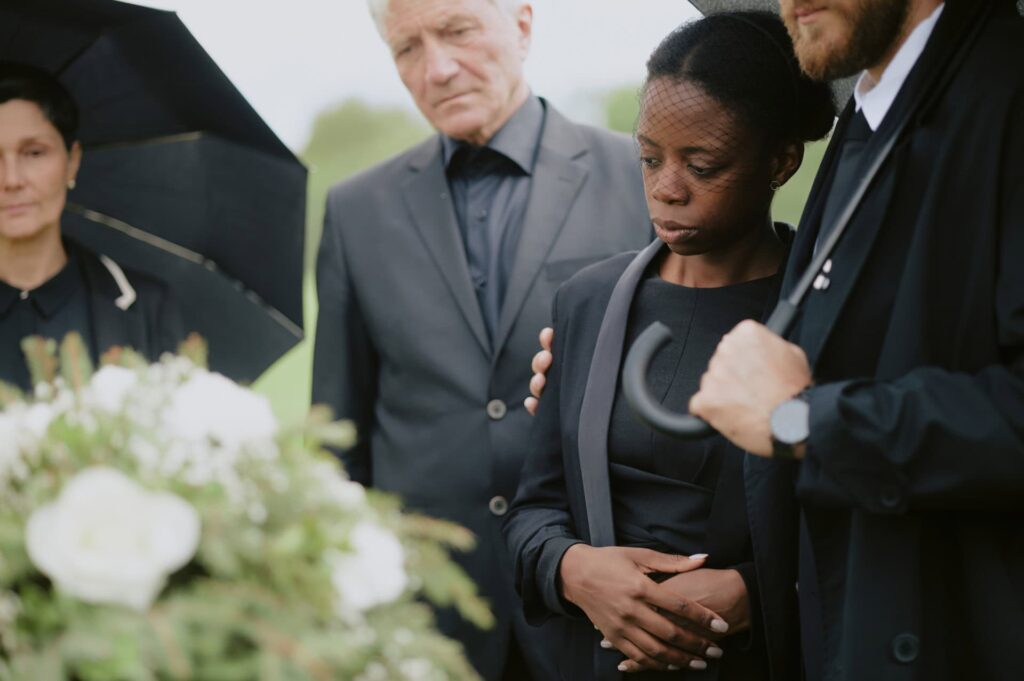
A vigil is a watch kept beside someone who is dying, or beside a body before burial or cremation, so that the person is not left alone. The word comes from the Latin vigilia, a period of wakefulness. In practice a vigil can last an hour or run through the night, and it can be silent, prayed, sung, or simply a room where people sit and talk. The word does double duty in English. A public candlelight vigil after a tragedy borrows the same idea of keeping watch, but when people ask what a vigil means in the context of death, they usually mean one of two things: the hours a family spends at a bedside near the end, or the gathering held the evening before a funeral.
What is a Vigil?
A vigil is a gathering held to honor someone who is dying, or has died, offering comfort through quiet and shared presence. Woven into many religious and cultural practices, vigils open space for comfort, reflection, prayers, and shared memories during a deeply emotional time.
The Significance of a Vigil
The word comes from the Latin vigilia, a watch or a period of wakefulness, which is exactly what a vigil is: someone stays awake so the person is not alone. Whether you pull an all‑nighter beside a loved one or pause together before a service, each moment becomes a testament to devotion and connection. Vigils are meaningful both before and after death.
The Vigil Before Death
Gentle presence during final moments—holding hands, silently sitting, speaking softly.
The Vigil After Death
A time to gather, pray, reminisce, or say goodbye before the burial or cremation.
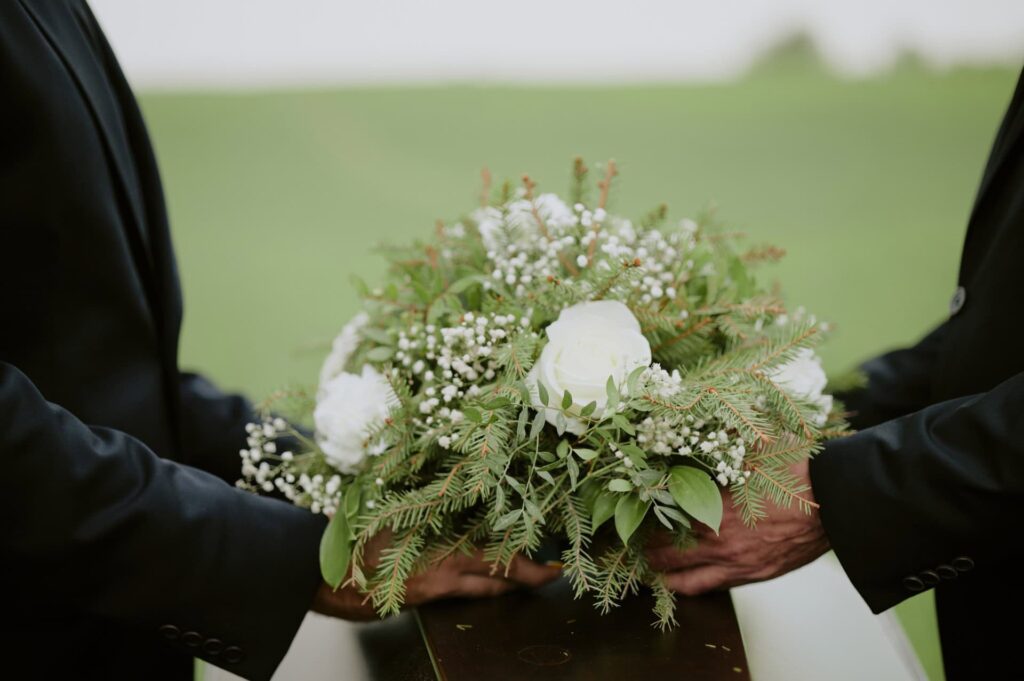
How Different Traditions Observe Vigils
Keeping watch over the dying and the dead is close to universal, but what that watch looks like is not. A few of the better-documented forms:
- Christian practices: Often feature readings, hymns, prayers, and quiet time with the body.
- Jewish traditions: Shmira is the practice of keeping watch so the body is never left alone between death and burial. The person keeping watch is the shomer or shomeret, and Psalms are traditionally recited.
- Buddhist observances: Practice varies widely by tradition. In Tibetan Buddhism, family and monastics may chant and read to the person for days after death, to support the passage through the bardo.
- Indigenous ceremonies: Many Indigenous nations keep watch over the dead, but the form differs from nation to nation and is not ours to generalize.
The Catholic vigil
f someone invites you to a vigil service in the United States, this is most often what they mean. The Vigil for the Deceased is a named rite in the Order of Christian Funerals and the first of the three parts of a Catholic funeral, followed by the funeral liturgy and the rite of committal. It is usually held during visitation hours, at a funeral home or in the church, the evening before the funeral.
It takes the form of a Liturgy of the Word: scripture readings, a short homily or reflection, intercessions and prayers. Music is encouraged. Family members may speak, share a memory, or read a poem.
One point that often confuses people: the rosary is not the vigil. It is a devotion the family may pray at any point during visitation hours, and it does not replace the vigil rite. Nor is the vigil the same thing as a wake, though the two often happen in the same room on the same evening.
Some families create deeply personal vigils—mixing cultural traditions with new practices that reflect the unique life being honored.
Why People Hold Vigils
Vigils are carried out for reasons both practical and deeply human:
- To emotionally support someone who is dying
- To gather loved ones in comfort and shared grief
- To offer blessings, prayers, or positive thoughts
- To begin the grieving process in a compassionate setting
- To honor cultural or spiritual rituals
Ultimately, the vigil serves those still here as much as the one who has passed.
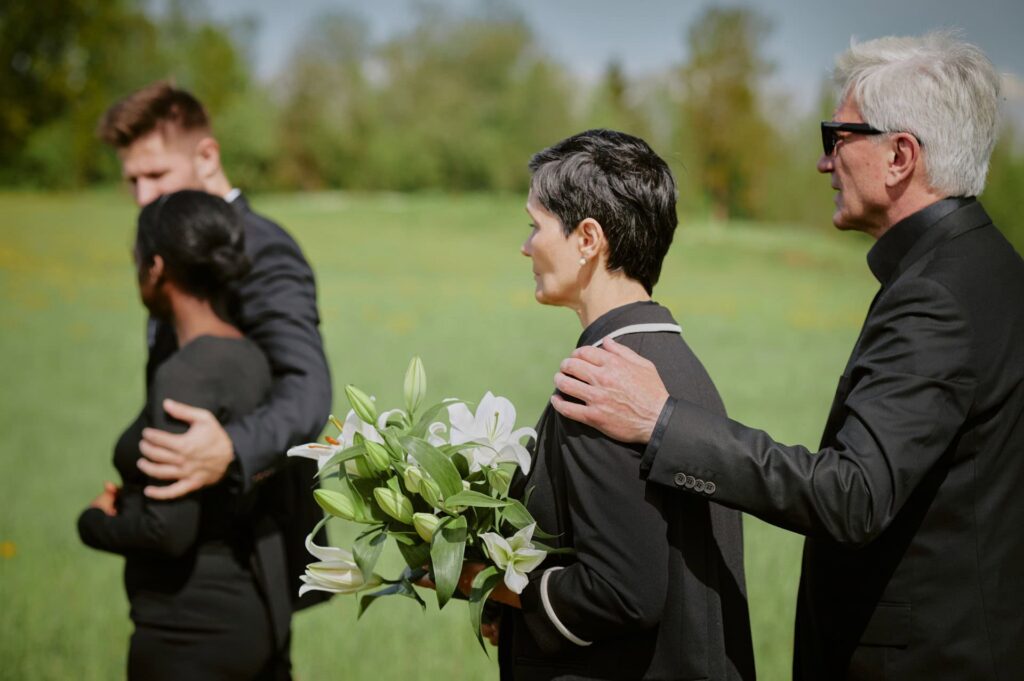
How to Plan a Meaningful Vigil
Adapt your vigil to reflect your loved one’s spirit:
- Choose a space: Home, hospice, funeral chapel, favorite location—whatever feels right.
- Set a timeframe: A few hours or overnight—go with what feels natural.
- Add personal touches: Think candles, favorite music, poems or quotes, shared stories.
- Honor traditions: If spirituality is important, include readings, rituals, or symbols.
- Care for those present: Provide cozy seating, soft lighting, and simple refreshments so people can rest and reflect.
A Vigil Now, a Ceremony When You’re Ready
A vigil holds the first raw hours. A memorial ceremony in nature gives your family something that lasts: a place to return to. With Better Place, cremation is handled right away, and the ceremony at a Memorial Tree or Spreading Grove happens whenever your family is ready, whether that’s weeks or months later.
| Vigil | Nature Memorial Ceremony | |
| When | Before death, or in the hours or evening before a funeral | Whenever your family is ready, with no deadline |
| Where | Bedside, home, hospice, funeral home, or church | Outdoors, in a protected Memorial Forest |
| Focus | Keeping watch, prayer, presence | Celebrating a life, returning to nature |
| Who leads | Family, clergy, or no one at all | A Better Place Guide or your family |
| What remains | Memories of the watch | A tree or grove you can visit for years |