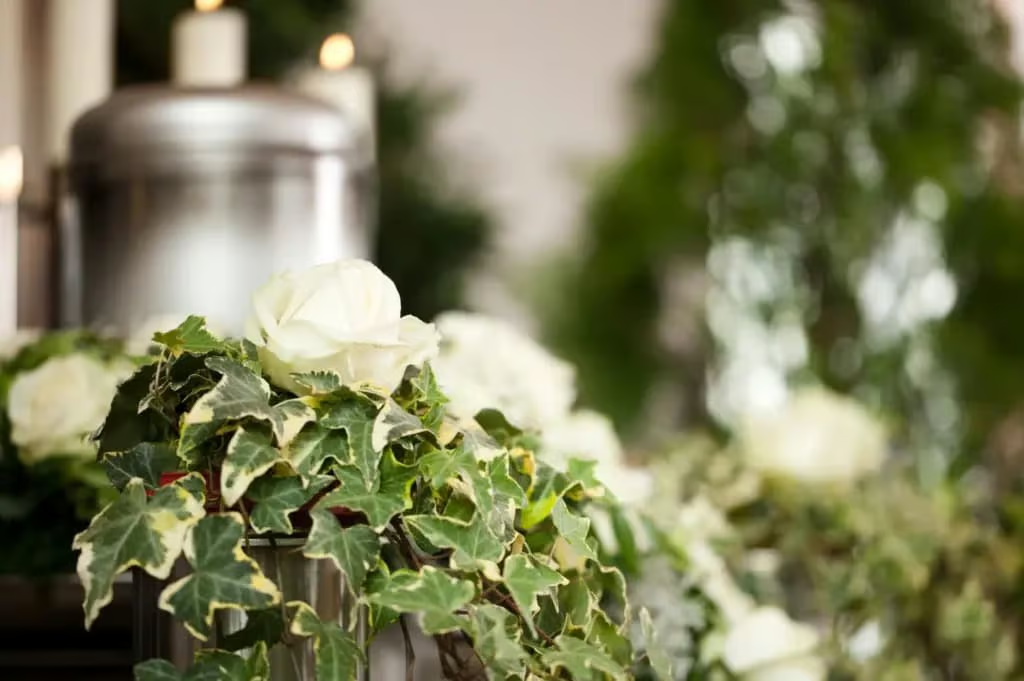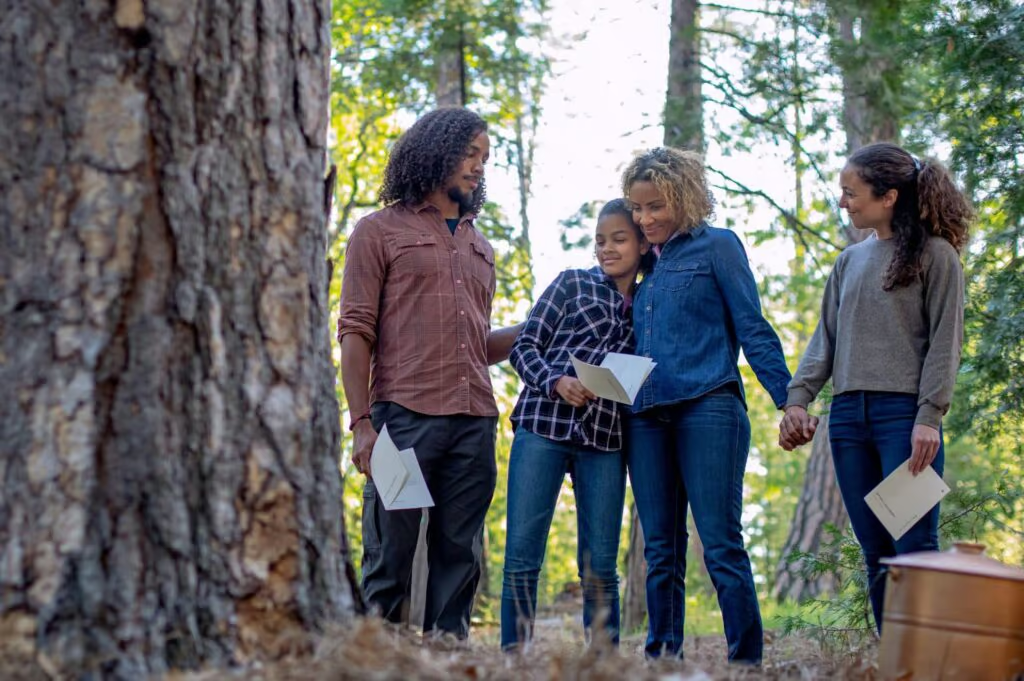
The main alternatives to a funeral are a celebration of life, flame cremation with a personal gathering, a Memorial Tree in a protected forest, green burial, a home funeral, body donation, aquamation, and human composting. Each is below, with why families choose it and how to plan one.
Non-Traditional Funeral Ideas
There’s no one-size-fits-all funeral anymore. More people are choosing simpler, more personal alternatives that honor the person’s values, the family’s wishes, or the planet itself. Here are eight meaningful options, why they resonate, and how to make them your own.
1. Celebration of Life
What it is: An uplifting gathering that highlights stories, laughter, and what made the person unique. Can be held anywhere—a garden, community center, or even a favorite cafe.
Why choose this: Uplifting in tone, flexible in timing, and very personal.
How to plan: Pick a memorable spot and a day that works for family and friends. Plan a few brief talks or have guests share memories. Add a photo display, a favorite playlist, or a memory table with keepsakes.
Better Place offers Nature Memorial Ceremonies where you can hold a personalized celebration of life in a protected forest. You can also return the ashes to a private Memorial Tree in a protected forest. Find out more
2. Carbon-Neutral Flame Cremation + Nature Memorial
What it is: A simple cremation followed by a custom event—like scattering ashes, a potluck, or a memorial at home.
Why choose this: It’s cost-effective, low-pressure, and lets you create a gathering that truly represents the person.
How to plan: Check local regulations for ash scattering — if you are in California, our guide to spreading ashes in California covers the permits and permitted locations. Invite friends and family to bring a memory, or to cook a favorite dish. Better Place offers carbon-neutral flame cremation. You can also return the ashes to a private Memorial Tree in a protected forest. Find out more
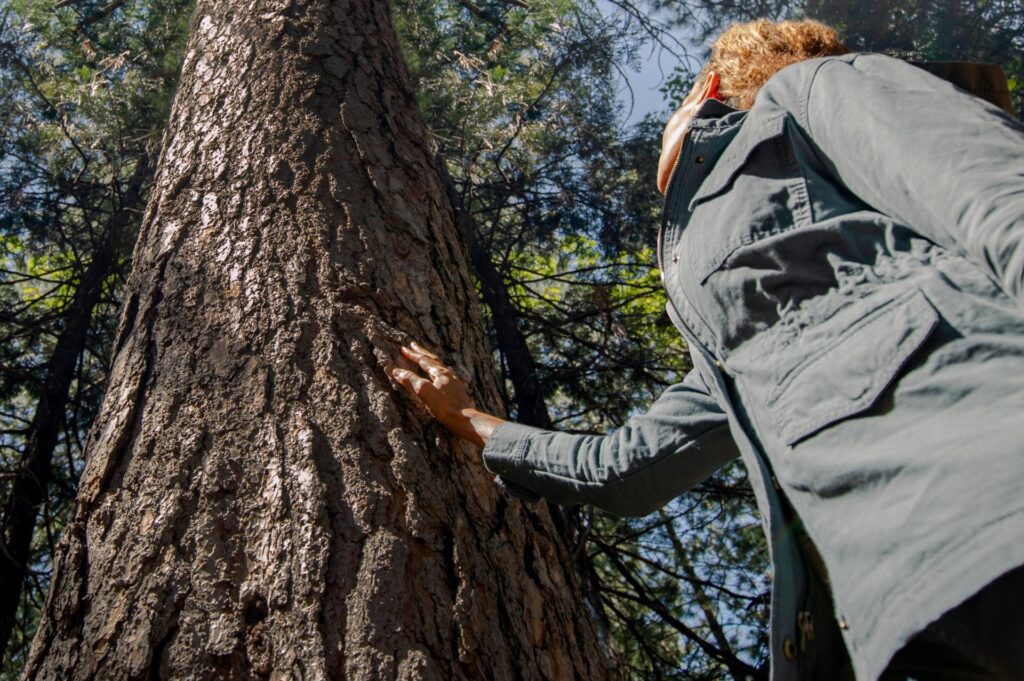
3. Memorial Forest or Tree Dedication
What it is: A natural, growing tribute — ashes placed at the base of a Memorial Tree in a protected redwood grove or native forest. You can also plant a tree in memory instead, though a sapling takes years to establish.
Why choose this: Quiet, eco-conscious, and healing—nature becomes a gentle memorial.
How to plan: Find a Memorial Forest near you. Choose a tree or site. Invite a small group for a short, respectful ceremony.
4. Green (Natural) Burial
What it is: A no-frills, eco-friendly burial—no embalming, biodegradable shroud or casket, often in a conservation-oriented cemetery.
Why choose this: Minimizes environmental impact and feels grounded and sincere.
How to plan: Find a cemetery offering green burials. Pick a natural burial container. Keep the service small and outdoors.
5. Home Funeral or Memorial
What it is: Caring for the body at home, hosting a private vigil, and saying goodbye on your own terms.
Why choose this: Comforting, intimate, and deeply personal.
How to plan: Work with a caring funeral professional to handle paperwork and transport. Set up a peaceful space with candles or favorite photos. Set visiting hours and keep it simple.
6. Whole-Body Donation + Later Remembrance
What it is: Donating the body to medical research or education. Afterward, ashes are returned and a memorial is held.
Why choose this: It’s a generous gift to science, lowers funeral costs, and allows for a memorial on your own timeline.
How to plan: Register early with a certified program. Leave clear instructions with family. Plan a separate gathering once ashes are returned.
7. Aquamation (Water Cremation) + Nature Memorial
What it is: A water-based alternative to flame cremation, also called alkaline hydrolysis. The family still receives ashes, so any type of gathering can follow weeks, months or even years later.
Why choose this: Aquamation uses 90% less energy than flame has zero emissions and has no toxic byproducts.
How to plan: Check that aquamation is offered in your state, then ask when ashes will be returned so you can set a date. Better Place offers aquamation. You can also return the ashes to a private Memorial Tree in a protected forest. Find out more
8. Human Composting (Natural Organic Reduction) + Nature Memorial
What it is: The body is gently transformed into nutrient-rich soil over several weeks. Families receive soil rather than ashes.
Why choose this: Natural organic reduction is chemical-free with ultra-low emissions. It offers a return to simplicity and sustainability with its minimal footprint to turn bodies into nutrient-rich soil.
How to plan: Availability varies by state, so ask a provider first, and plan the memorial for after the soil is returned. Better Place offers natural organic reduction. You can also return the soil to a private Memorial Tree in a protected forest. Find out more
Is It Disrespectful Not to Have a Funeral?
No. Respect comes from how you honor someone, not from a particular kind of service. Many families today choose not to hold a funeral, and if your person asked for no funeral, following their wishes is itself a way of honoring them. The law only requires that their body be cared for through burial, cremation or another approved method. A service is always your choice.
If family and friends still want time together, you can gather for a memorial whenever it feels right, even weeks or months later. It might be a meal, a walk somewhere they loved, or a Nature Memorial Ceremony, where their ashes are returned to the earth at a Memorial Tree.
Which One Fits You Best?
| Interests | Consider |
| Want something bright and story-filled? | Celebration of Life |
| Prefer flexibility and simplicity? | Flame Cremation + Ceremony |
| Love nature and long-term remembrance? | Memorial Forest |
| Want to tread lightly on the earth? | Green Burial |
| Crave intimacy and comfort? | Home Funeral |
| Wish to contribute to learning? | Body Donation |
| Want cremation without flame? | Aquamation (water cremation) |
| Want the most earth-friendly form of cremation? | Human Composting (soil cremation) |
Quick Planning Checklist
- Write and share your wishes with someone close
- Tie up any legal needs—permits, arrangements
- Pick the right time and place
- Decide who’ll help lead or speak
- Gather photos, music, readings
- Think through guest needs—location, access, weather
- Send clear invites or notifications
- Offer a guest book or memory-sharing option
Frequently Asked Questions
Are these options cheaper than traditional funerals?
Often, yes. Whole-body donation is usually the least expensive, since most programs cover transport and cremation. Of the options you pay for, flame cremation followed by a celebration of life or home gathering costs least. Flame cremation is the most affordable, followed by celebrations of life and home gatherings. If you are planning in California, our breakdown of cremation costs in California gives current figures by service type.
Can you combine options?
Absolutely. Many choose cremation, then hold a celebration and place ashes in a memorial forest later.
Is scattering ashes legal?
Yes—but check local rules. For ocean scattering, federal law says you must be at least 3 nautical miles offshore and use biodegradable materials.
Each state has its own rules on where ashes may be scattered on land and inland water, and some locations require a permit. Our California ash-scattering guide covers what is allowed and where in California.
How should guests dress?
Typically, subdued or casual clothing is fine—especially outdoors. Celebrations of life sometimes welcome color.
How long after someone passes can you plan an event?
No set time. Many hold a gathering weeks or months later to allow travel and thoughtful preparation.
A meaningful farewell should reflect how the person lived—not just how they left. Whatever path you choose, let it be rooted in purpose, care, and the values they held dear.