As more families choose cremation over traditional burial, eco-friendly memorial trees have become one of the most popular ways to return ashes to the earth. This guide compares the real options, from a mature tree in a protected forest to a bio urn you plant at home, and what each one costs.
Time in nature helps many people through grief, and a living tribute gives you somewhere to bring that grief. Whether you are planning ahead for yourself or honoring someone who has already passed, here is everything you need to decide whether a tree is the right memorial, and which kind.
What is a Memorial Tree?
A Memorial Tree is a living tree where a person’s ashes are mixed with native soil and returned to the earth at its base. With Better Place, you choose a mature tree in one of nine protected Memorial Forests, and the forest is cared for by a Stewardship Trust so it will be maintained and never developed.
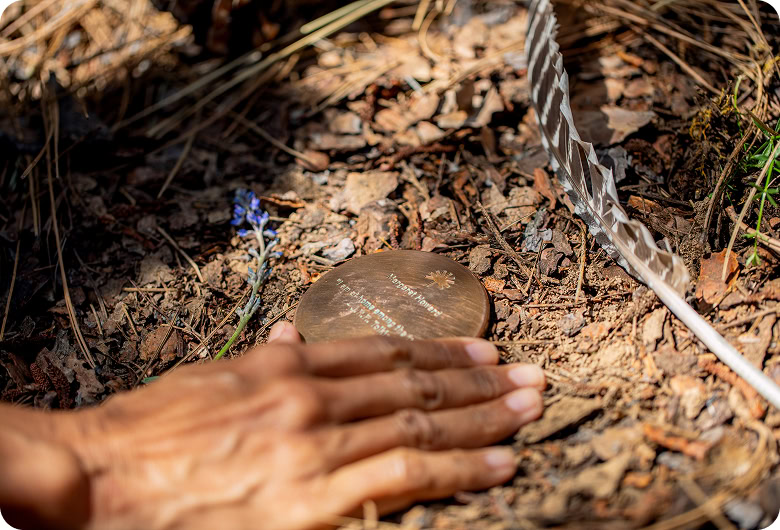
Additionally, you can opt to add a Nature Memorial Ceremony and have a customized Memorial Marker inscribed and placed at the base of the tree, marking your special place in the forest. There is a team available to care for the forest and assist families and visitors in spreading the ashes, as well as finding the memorial tree during future visits.
Some people informally refer to a planting a tree in memory, in their backyard or a local park, and spreading ashes around it, as a ‘memorial tree.’
What Makes a Memorial Tree Eco-Friendly?
A memorial tree is eco-friendly because nothing is added to the ground except the person’s ashes and the soil they’re mixed with. There’s no embalming, no casket, no concrete vault, and no manicured lawn to water and mow.
Some memorial tree programs go a step further by providing an added layer of conservation and forest stewardship via a protected Memorial Forest, where the memorial also funds the forest’s long-term care: trail upkeep, ecological monitoring, and protection from development. In practice, that means your choice supports wildlife habitat and a healthy tree canopy rather than a cemetery plot.
Cremation itself uses energy, so the most sustainable version of this option pairs the tree with a carbon-neutral cremation method. Better Place offers carbon-neutral flame cremation, aquamation, and natural organic reduction.
Memorial Tree Considerations
- Environment: Excessive ash can be harmful to plant life. Generally, mature trees are more tolerant of ash than young saplings. Unfortunately, young saplings are often killed when people spread too much ash around them. To avoid harming the forest ecosystem, Better Place only spreads ashes around mature trees. The company has also collaborated with soil scientists to develop a process for spreading ashes that is safe for the forest ecosystem.
- Location: It’s common for families to plant a memorial tree in memory in their backyard or vacation spot as a way to stay connected. However, if they move away or sell the property, it can be an upsetting experience as it may mean leaving behind a sentimental space.
Consider if it’s important for people to be able to locate the memorial tree to pay their respects to the deceased. It’s crucial for many individuals to conveniently find the tree for future visits. This is an advantage of working with Better Place, which assigns each tree a legally recorded tree number, making it easy to navigate back to. - Legality: It is important to check the legality of spreading ashes before doing so. While some people may choose to spread ashes in a park or National Forest on their own, it is only legal in certain parks. It can be very upsetting to have law enforcement interrupt your memorial, so it is best to check beforehand.
Eco-Friendly Options Compared
The phrase “memorial tree” means different things to different people. These are some of the most popular ways to memorialize someone with a tree, and how they compare:
Memorial Tree in a protected Memorial Forest
A Memorial Tree is a private, established tree that serves as a living tribute to the memory of a person and/or pets who have passed away. The ashes of the deceased are mixed with native soil and spread at the base of the tree. With a Memorial Tree you have irrevocable access rights and may add people and pets to your tree across generations.
Memorial Trees with Better Place start at $6,200 and the pricing is based on forest location, tree species, and size. It’s possible to add a Memorial Marker and a Nature Memorial Ceremony, an intimate ceremony where ashes are returned to the earth. Better Place also offers its customers a $1,000 savings on a tree when bundled with any of its carbon-neutral cremation options.
Tree Burial Pod
Tree burial pods can mean two different things. They can be a bio urn for cremains with a sapling planted above which costs on average $150-$200 from companies like Living Urn. It can also mean a whole body burial, like Transcend with a sapling planted above for $8,600.
Tree pod burials may sound good—until you start asking the hard questions. Where to plant it? Can you get permission? Will the tree survive? Who will care for it? Will family ever find it again? Burial pods are buried and forgotten—no marker, no guaranteed access, no one to tend the tree. And just like planting a tree in memory of a loved one over half of saplings planted do not survive the first two years.
Planting a Tree in Memory
The Arbor Day Foundation has popularized a beautiful way of honoring someone by planting saplings worldwide to help restore forest habitats. However, if it is important for you to visit the memorial tree, planting a tree in memory of someone may not be the right option. Generally, memory trees that are planted in state or national parks and are not accessible for visitors. Additionally one of the biggest red flags with planting a tree in memory is that 50% or more newly planted trees do not survive due to stress and transplant shock, site conditions, weather and follow-up care.
Honoring Your Loved One At Their Memorial Tree
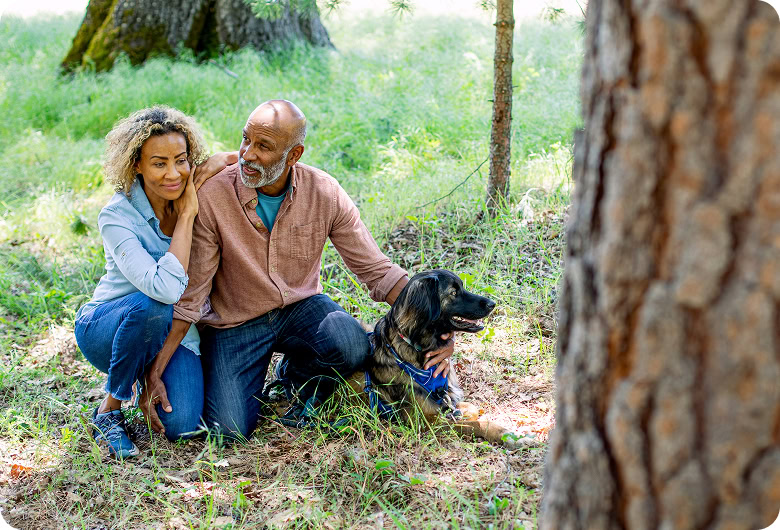
If you choose a memorial tree, you likely are thinking about how you can honor your loved one at this tree. There are no right or wrong ways to do this, but here are a few suggestions:
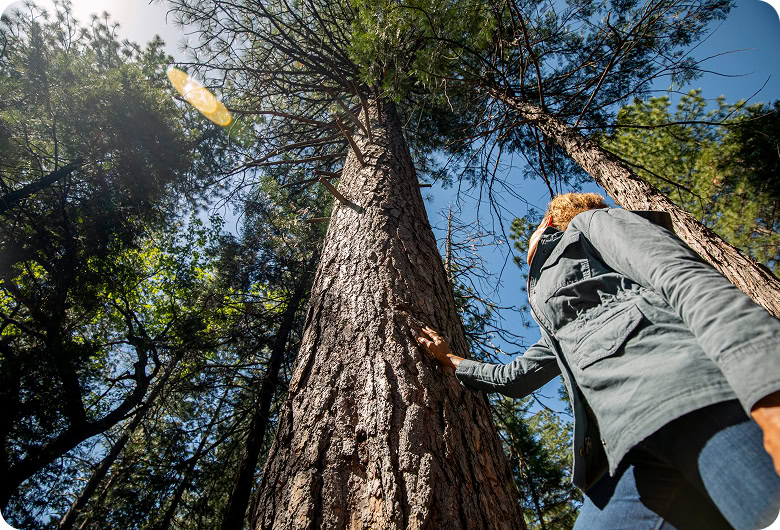
Visit your tree on important dates: Birthdays, death anniversaries, holidays, or any other day that you want to feel connected to your loved one, go visit their tree. Talk to your tree or sit and reflect.
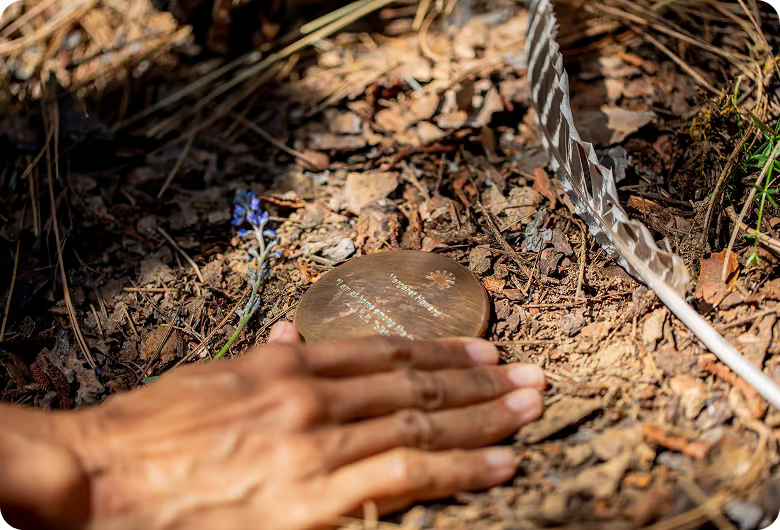
Create a natural memorial: When you visit the tree of your loved one, you can do something with your hands to pay tribute to them. At Better Place Forests, families often leave natural items like feathers or mandalas made of leaves to honor their loved ones. The act of gathering and creating a tribute is inspired by the work of Morning Altars.
Plant wildflowers: A symbol of rebirth and growth, native wildflowers add meaning to the tree. Plant the same species at home so the two places feel connected. In a Memorial Forest, check with your Guide first so plantings fit the forest’s ecology.
Share your memorial tree: Grief is personal, but many other people are missing your loved one too. Photos of the tree through the seasons give everyone a way to stay connected and to talk about the loss, which is its own kind of healing.
Frequently asked questions
What are eco-friendly memorial trees?
Eco-friendly memorial trees are living trees that serve as a person’s memorial instead of a grave, headstone, or urn on a shelf. Cremated ashes are mixed with soil and returned to the earth at the tree’s base, with no embalming, casket, or vault. The most sustainable versions use mature, native trees in protected forests rather than newly planted saplings.
Can a memorial tree be used for ashes after cremation?
Yes. Ashes are the reason most families choose a memorial tree. Because cremated remains are mostly calcium phosphate and sodium, raw ash spread in one spot can smother roots and burn foliage, which is why Better Place mixes ashes with native soil and uses only mature trees. If you are planting a tree in memory at home, be aware that over 50% of saplings do not survive their first years.
Is it legal to spread ashes at a tree in a park or national forest?
It depends on who owns the land. Private land needs the owner’s permission. Many national parks allow scattering with a permit and conditions. Each state and location has its own laws, rules, and permits required for spreading ashes. Better Place Memorial Trees include a legal ashes spreading experience where all of the paperwork and permits are handled for you.
Are memorial trees legit?
The answer depends on what you are buying. Tree-dedication gifts and sapling kits are real products, but you usually cannot visit the tree, and a sapling planted at home may not survive. A Memorial Tree in a protected forest is a specific, mature tree with a GPS location, a Stewardship Trust that protects the forest, and a marker you can visit. Ask any provider where the tree is, whether you can visit it, and what protects the land.
Where can I find eco-friendly memorial trees in California?
Better Place has Memorial Forests in four California locations: Point Arena on the Mendocino Coast, Santa Cruz, Yosemite Gateway, and Lake Arrowhead in Southern California. Trees are also available in Arizona, Minnesota, Illinois, Connecticut, and Massachusetts.