Becoming a tree when you die might sound poetic—but it’s also entirely possible. For those seeking a more natural, sustainable end-of-life option, a Memorial Tree offers a beautiful way to return to the earth. In this guide, we’ll explain how the process works and why more families are choosing to turn ashes into living memorials.
How to Become a Tree When You Die
There’s something quietly powerful about becoming a tree when life ends. It suggests renewal, rootedness, and a return to something bigger than ourselves. For those exploring alternatives to traditional burial, it’s also a gentle, deeply symbolic choice.
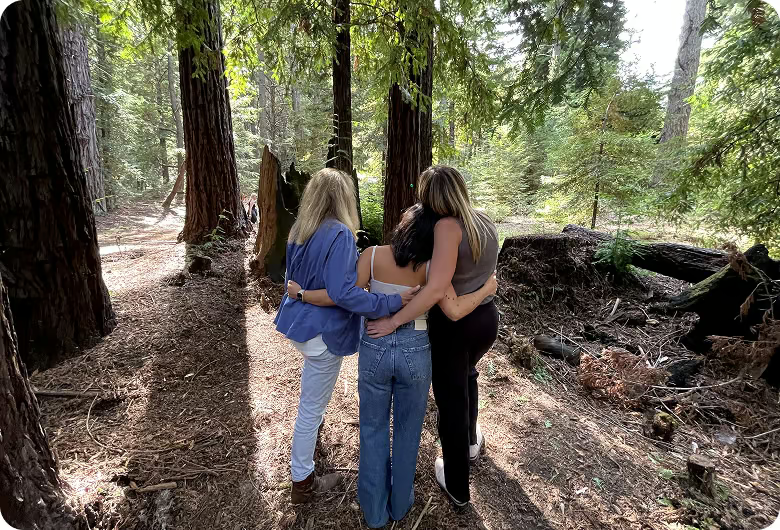
With cremation, your ashes can be returned to the earth at the base of a mature, established Memorial Tree—not a fragile new sapling—inside a protected Memorial Forest. That tree becomes a private place to remember, to visit, and to reflect, for as long as your family needs it. Let’s walk through how it works, and why so many families are choosing this path.
What It Means to “Become a Tree”
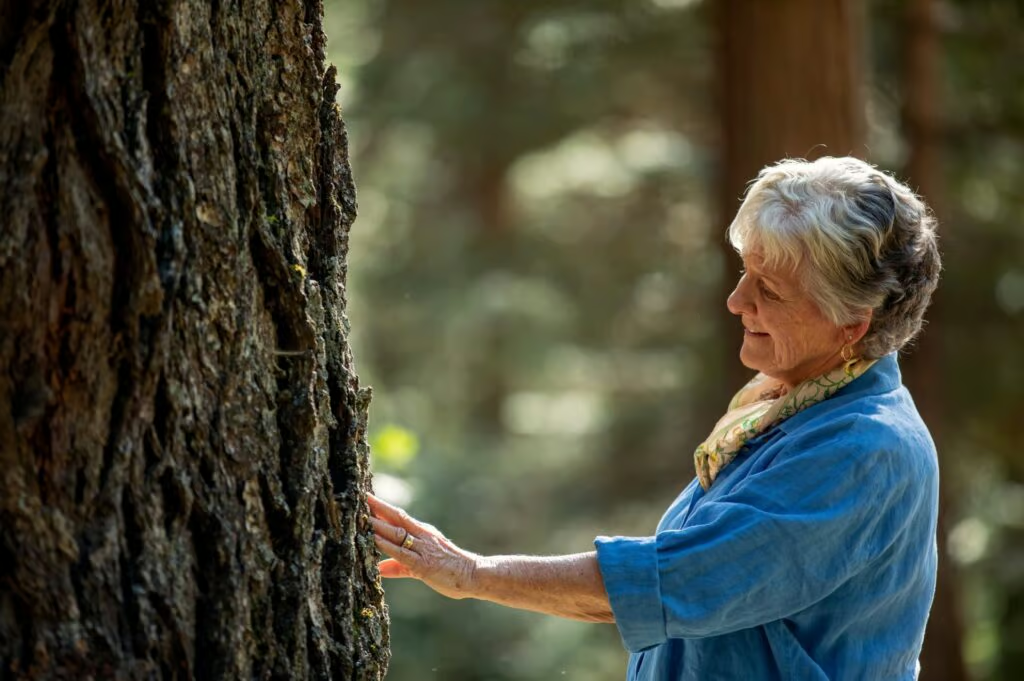
To “become a tree” with Better Place is to have your cremated ashes returned to the earth at your own private Memorial Tree—a real, living, already-thriving tree inside one of our protected Memorial Forests. Your ashes nourish the soil at its base and become part of the tree’s ongoing life.
This is different from planting a new sapling on top of your remains. A young sapling takes years to establish and can fail from disease, weather, or lack of care. A Memorial Tree, by contrast, is already decades old, with a proven root system—so your memorial is part of a thriving ecosystem from day one, not a gamble on a seedling surviving.
Rather than sitting in an urn on a mantle or being scattered without a place to return to, your ashes become part of a forest that’s protected forever—and a tree your family can visit for generations.
How Ashes are Returned to Your Tree
Cremated remains are high in pH and sodium, which is why they aren’t simply poured onto soil. Here’s what the process looks like with Better Place:
- Cremation – A respectful, carbon-neutral process, with flame cremation, aquamation, or natural organic reduction available through Better Place.
- Choose Your Tree – Guided by a Better Place Guide, you select a Memorial Tree in one of our protected Memorial Forests, virtually or in person.
- Legal Ash Spreading – All permits and paperwork are handled for you before the day.
- Return to the earth – Ashes are properly prepared and returned to the earth at your tree, often as part of a simple, personal Nature Memorial Ceremony.
- Ongoing Life – Your tree—already established and thriving—continues to grow, season after season, as a living place your family can return to.
The result is a private, permanent place that heals, grows, and gives something back to the land it’s part of.
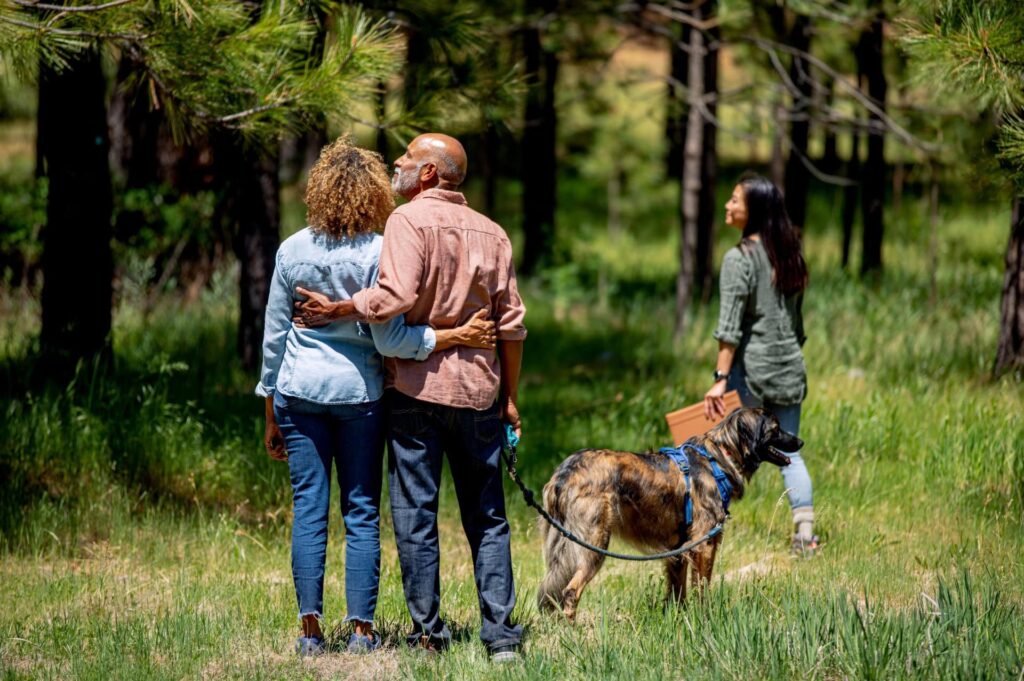
Why People Choose a Memorial Tree
Families are choosing Memorial Trees for many reasons—some emotional, some practical, all meaningful.
- A place, not just an ending. A Memorial Tree gives your family somewhere to gather, walk, and remember—not just an urn on a shelf.
- A commitment to conservation. Each Memorial Forest is under long-term stewardship, with no concrete vaults, no embalming chemicals, and minimal development.
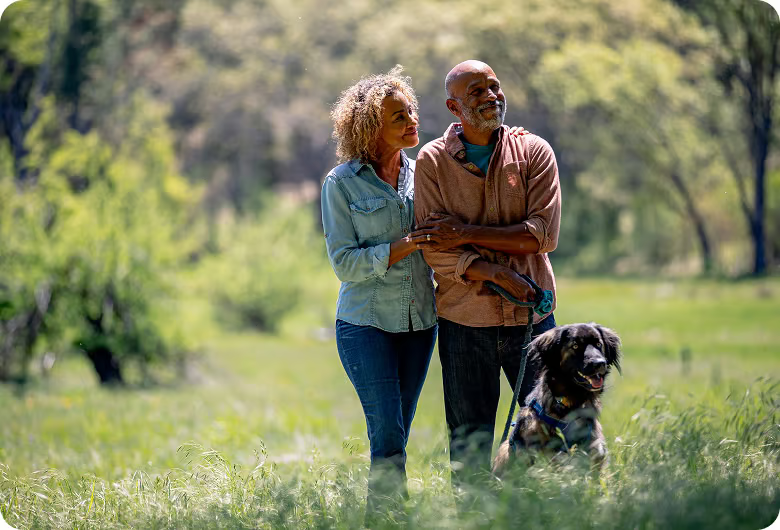
- Room for the whole family. One tree can hold ashes for partners, children, parents—and pets—over time.
- A meaningful ceremony. You have the option to gather family and friends in a personalized Nature Memorial Ceremony to return ashes to the earth.
It’s a return to simplicity. A quiet way to say: I was here. And now I give something back.
Where Memorial Trees are Located
Memorial Trees aren’t planted in a backyard or on a whim—they’re located within one of Better Place’s nine protected Memorial Forests across the country, from the redwoods of the California coast to the ridgetops of the Berkshires. Each forest offers:
- Permanent protection – The land won’t be developed or disturbed.
- Care and stewardship – Our team actively manages and ecologically maintains every forest.
- Ongoing access – Trails and markers make it easy for your family to visit, any time, for generations.
You can explore available forests and trees with a Guide, either virtually or with an in-person visit, before choosing the tree that’s right for your family. Start Here
How to Plan Ahead
Many people are planning their end-of-life wishes now, so their loved ones don’t have to wonder later. If a Memorial Tree speaks to you, here’s what that can look like:
- Choose your carbon-neutral cremation method: flame cremation, aquamation, or natural organic reduction.
- Talk to a Guide about available Memorial Forests and trees.
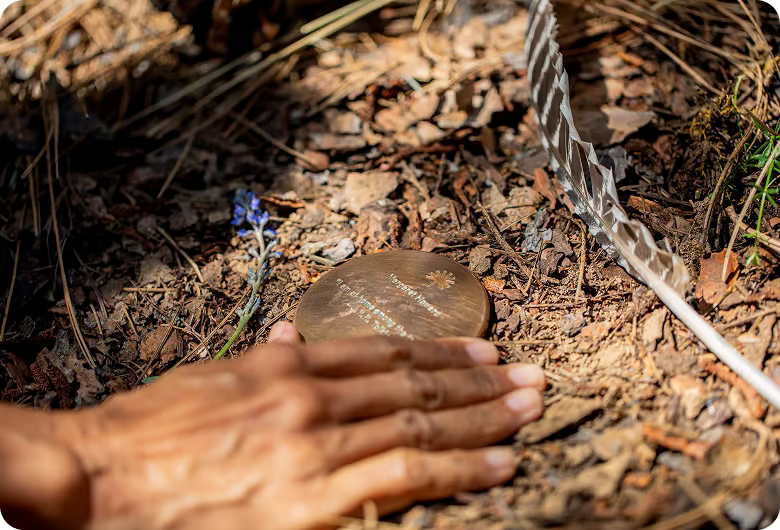
- Decide whether to add a Nature Memorial Ceremony or Memorial Marker.
- Communicate your wishes with loved ones.
It’s simple. It’s clear. And it helps ease the planning process for your family when the time comes.
Frequently Asked Questions
Can I really become a tree when I die?
In a symbolic way—yes. With a Memorial Tree, your ashes are returned to the earth at the base of a mature, protected tree, and become part of its ongoing life.
Is it safe for the environment?
Yes. At Better Place, ashes are properly prepared before being returned to the earth, and every Memorial Forest is professionally stewarded with minimal development, no concrete vaults, and no embalming chemicals.
Does this require planting a new tree?
No. A Memorial Tree is an already-established, mature tree with a proven root system—not a vulnerable young sapling that takes years to take hold.
Can more than one person be included at the same tree?
Yes. A Memorial Tree can be shared with family, friends, and pets over time.
A Living Memory That Keeps Growing
Becoming a tree isn’t about endings—it’s about continuance. About growing from what once was. About letting grief turn into green.
For those seeking a natural, personal, and permanent legacy, a Memorial Tree offers real peace: a place you can plan for, your loved ones can visit, and the land itself benefits from.