Across cultures, trees symbolize life, growth, strength, wisdom, and the connection between earth and sky. Their yearly cycle of shedding and regrowth has made them enduring symbols of renewal and remembrance, which is why so many traditions plant a tree to honor a life.
Trees have inspired myths, traditions, and spiritual beliefs across civilizations. Learn the symbolic power of different trees and how they reflect growth, resilience, and connection.
Trees are more than beautiful—they’re powerful symbols woven into human stories for ages. They represent life’s cycles, wisdom, strength, and the bridge between earth and spirit. Whether standing solitary or forming an ancient forest, trees remind us how deeply connected our lives are to the natural world.
Why Trees Hold Symbolic Power
- Life & Growth – Trees reflect the journey of life—sprouting, thriving, shedding, and renewing.
- Strength & Endurance – Deep roots and sturdy trunks symbolize resilience through adversity.
- Wisdom – With their long lifespans, trees often represent patience, learning, and history.
- Connection – Roots in the earth and leaves in the sky—trees embody our link to both realms, and to each other.
Cultural Symbolism of Trees
Ancient Egypt
The sycamore fig, linked to the goddess Hathor, symbolized protection and life after death.
Celtic Traditions
Trees were seen as living ancestors. The oak stood for strength, birch for renewal, and willow for intuition.
Buddhism & Hinduism
The Bodhi tree marks Buddha’s enlightenment. In Hinduism, the banyan and peepal trees stand for immortality and sacredness.
Norse Mythology
Yggdrasil—the world tree—ties together all realms, symbolizing cosmic balance and interconnected life.
The Tree of Life
The tree of life is one of the oldest and most widespread symbols in human history. With roots reaching into the earth and branches lifting toward the sky, it represents the connection between all living things, the link between generations, and the bond between the physical and spiritual worlds.
Versions of the tree of life appear in almost every tradition. The Celtic tree of life, often drawn with roots and branches woven into a circle, stands for balance, harmony, and the continuity of family. In Norse mythology, the world tree Yggdrasil holds the nine realms together. Ancient Egyptian art shows a sacred tree offering nourishment to the departed, and in the Bible, the tree of life grows at the center of the Garden of Eden. Different cultures, one shared idea: life is connected, rooted, and always renewing itself.
What Common Tree Types Symbolize
- Oak: Strength, courage, and guardianship
- Maple: Balance, generosity, and promise
- Pine: Longevity, peace, and eternal life
- Birch: New beginnings and purification
- Willow: Healing, grief, and emotional resilience
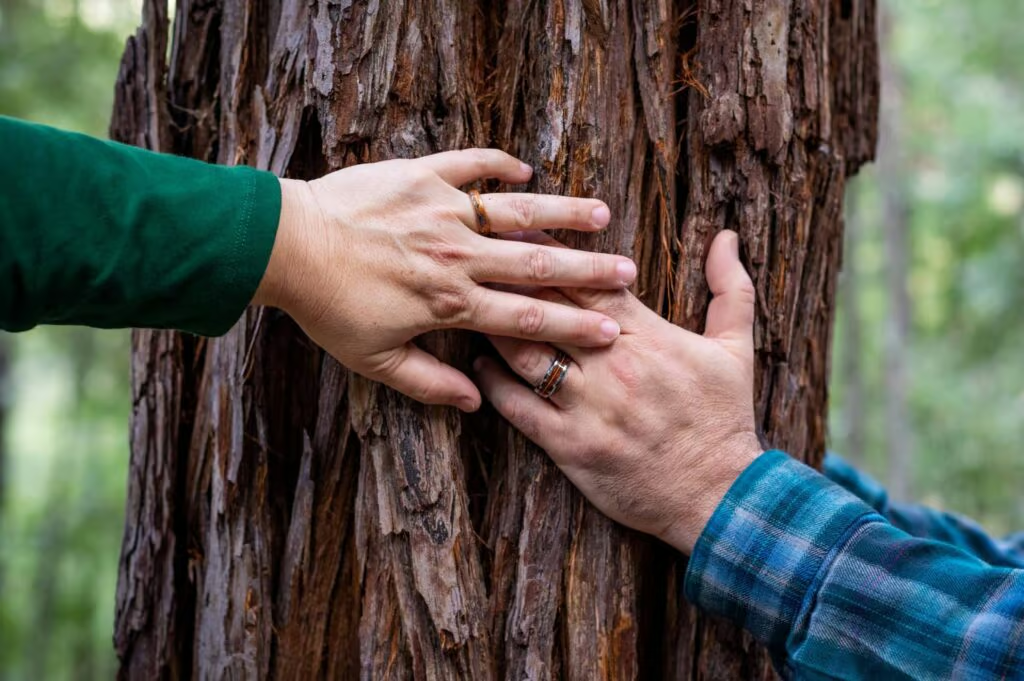
- Redwood: Endurance, stature, and long-lasting legacy
- Cherry Blossom: The beauty and brevity of life, renewal, and mindful presence
- Cedar: Protection, healing, and incorruptible strength
- Cypress: Mourning, remembrance, and eternal rest in Mediterranean traditions
- Olive: Peace, reconciliation, and abundance
- Ash: Connection between worlds, protection, and inner growth
- Yew: Eternity and the cycle of death and rebirth, long planted in churchyards
Trees in Religion & Sacred Texts
Sacred writings return to trees again and again. In the Bible, trees frame the whole story, from the tree of life in Eden to the olive branch of peace and the cedars of Lebanon, a symbol of majesty and endurance. In Buddhism, the Bodhi tree shelters the Buddha’s enlightenment. Hindu tradition reveres the banyan and peepal as symbols of immortality, and many Indigenous traditions honor trees as living relatives and teachers. Whatever the tradition, trees mark the places where the everyday world touches the sacred.
Emotional & Spiritual Significance
Beyond their rooted beauty, trees carry emotional weight:
- Hope – After every winter, trees renew—teaching that healing follows hardship.
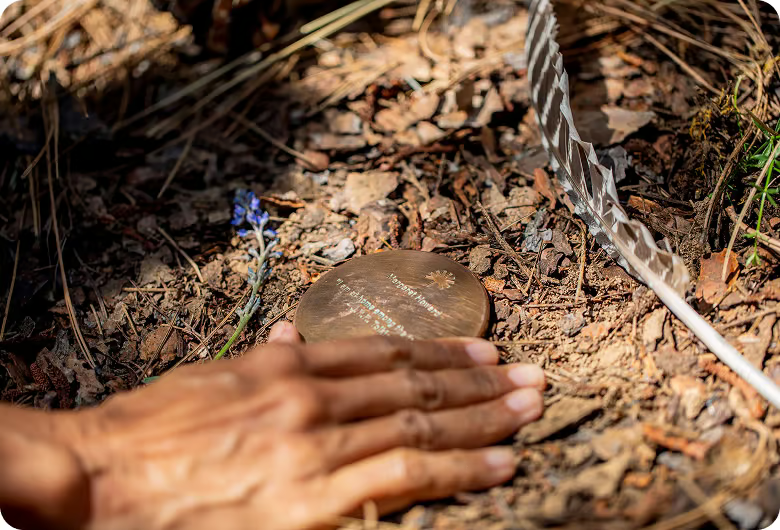
- Living Memorials – Planting a tree in someone’s honor gives life to memory.
- Restorative Presence – Trees offer calm and connection, helping us feel grounded when we need it most.
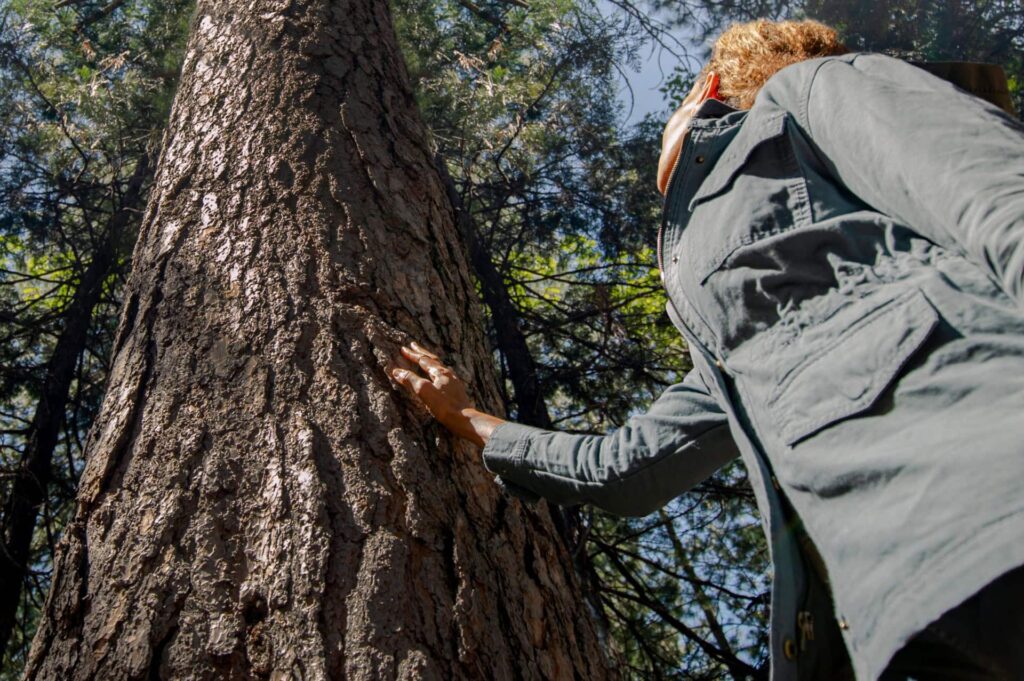
Trees in Memorials & Remembrance
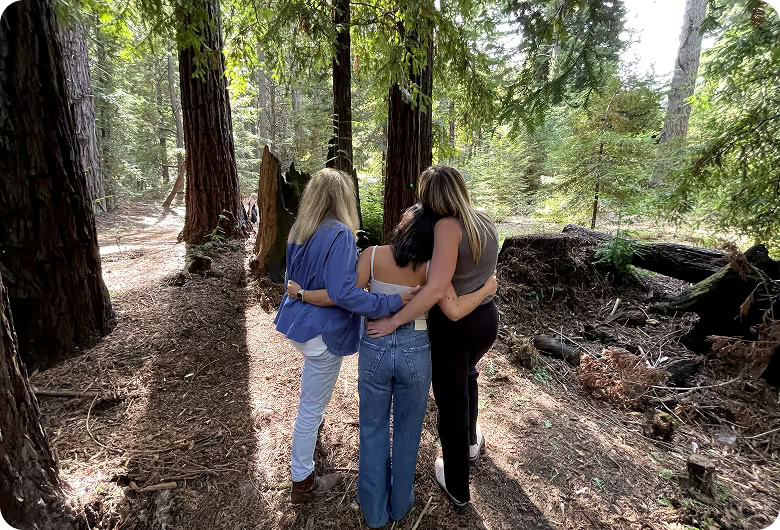
Choosing to plant a tree as a tribute creates a living monument—a place to visit, reflect, and remember. In memorial forests, trees collectively become a sanctuary of life, transformation, and enduring love.
Frequently Asked Questions About Tree Symbolism
What does a tree symbolize?
A tree most often symbolizes life, growth, strength, and connection. Rooted in the earth and reaching toward the sky, trees represent endurance through hardship, wisdom gained over time, and the renewal that follows every season of loss.
What tree symbolizes strength?
The oak is the most common symbol of strength, courage, and endurance. Cedar and redwood carry similar meanings, prized for their size, longevity, and resilience.
What tree symbolizes grief or death?
Cypress and yew have marked mourning and eternal rest since ancient times, which is why both are common in cemeteries. The willow, with its bowed branches, symbolizes grief, healing, and emotional resilience.
What is the tree of life?
The tree of life is a universal symbol of connection: between earth and sky, between generations, and between all living things. It appears in Celtic, Norse, Egyptian, and biblical traditions, and it inspires many families to choose a memorial tree as a living tribute.
Key Takeaways
- Trees are potent symbols—from ancient spirituality to personal healing.
- Each species carries unique meanings based on culture, myth, or nature.
- Planting a tree in memory of someone creates a tribute that grows, evolves, and sustains.
Across time and traditions, trees stand as silent teachers of resilience, growth, and our deep bond with earth—and each other.