A Memorial Tree is a living tribute that honors a life well lived. Discover the beauty of remembrance with Better Place.
When you begin thinking about end-of-life plans, you may come across topics such as living tributes, remembrance trees, and memorial forests. The concept of Memorial Trees and living tributes has emerged as a profoundly beautiful way to celebrate life in an eco-conscious manner.
Within this guide, we’ll explore the idea of using Memorial Trees as a way to honor someone after they’ve died. A Memorial Tree can be a resting place for ashes, or it can serve as a place to honor and remember someone.
What are Memorial Trees?
A Memorial Tree, also called a living tribute, remembrance tree, or sympathy tree, has a few different meanings. Sometimes, it can refer to a tree planted in someone’s honor or memory in a place of significance to them or their family.
A Memorial Tree can also refer to a tree in a Memorial Forest that serves as a resting place for cremated ashes of you or your loved one. In this article, we’ll explore Memorial Trees as a final resting place, where ashes are returned to the earth at the base of a private, established tree.
Memorial Trees are located in Memorial Forests, which are protected forests where you can legally spread ashes. These forests offer a meaningful location for family and friends to visit you beyond your time on earth but also allow you to help with conservation efforts to sustain and give back to the planet.
Two meanings of “Memorial Tree”
A Memorial Tree can mean either:
- A new tree planted in someone’s honor (usually through a city program or a reforestation donation), or
- An established tree that becomes a person’s memorial location (common in memorial forests, where ashes can be returned to the earth beneath the tree)
In this guide, we focus on Memorial Trees as a place of remembrance—a specific tree in a protected memorial forest—while also explaining how “tree planting” programs work.
As part of your end-of-life plans, you can choose to have your ashes scattered in the soil at the base of a memorial tree. With countless options of tree species, you can find just the right tree to represent your life or the life of your loved one. You can pick the setting and specific kind of tree you’d like, and you can even include spreading rights for your loved ones or pets to join you when their time comes.
Memorial Tree planting: 3 common options
When people say “plant a Memorial Tree,” they usually mean one of three things:
- A memorial tree in a city park (a donation program run by a city or cemetery)
- Planting trees in national forests — a donation to a reforestation nonprofit such as the Arbor Day Foundation, which funds replanting in forests recovering from wildfire or disease. You do not choose or visit a specific tree.
- A Memorial Tree you can visit in a protected Memorial Forest (a specific tree reserved as a lasting place of remembrance) and create a place your family can return to for years.
Why established Memorial Trees are the better choice:
| Established Memorial Trees | New Tree Planting |
| ✓ Mature, established trees Your memorial is part of a healthy, thriving tree already decades old ✓ Widely available nationwide Memorial Forest locations coast to coast ✓ Guaranteed longevity Proven, healthy trees with strong root systems and established growth ✓ Immediate environmental impact Your tree is already absorbing CO2 and supporting ecosystems today ✓ Ongoing family visits A dedicated, protected place to return | Vulnerable saplings Newly planted young trees require years of care to survive Limited suitable land Permits often required High failure risk Saplings can die from disease, weather, pests, or lack of maintenance Delayed environmental impact Takes years before a young tree provides meaningful environmental benefits Access uncertain No guaranteed access to tree or location |
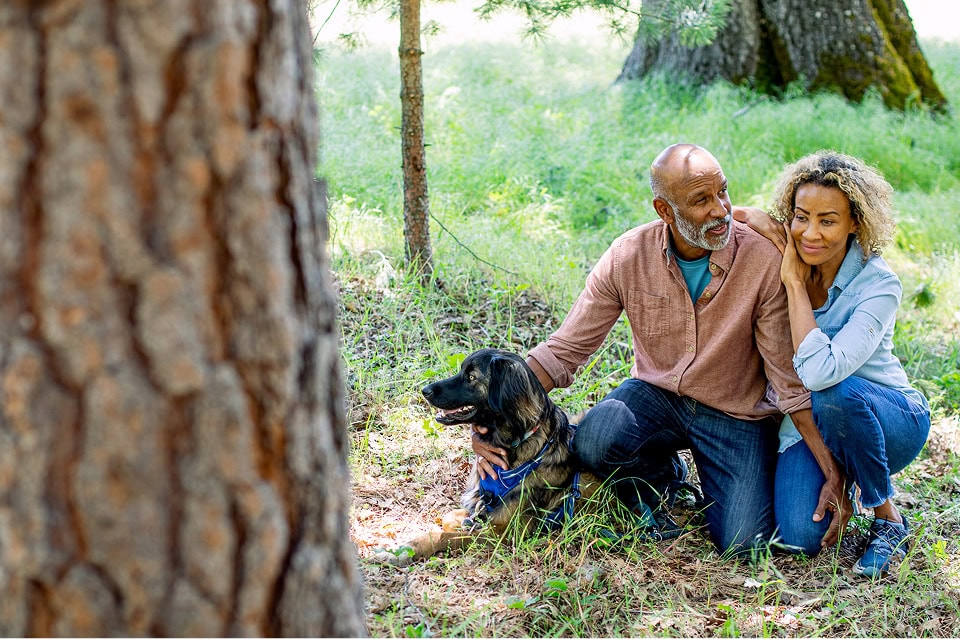
Benefits of Remembrance Trees
| Families choose a remembrance tree over a plot or a columbarium for four reasons that come up again and again. Here they are, in the order people tend to raise them. |
1. Environmentally-Friendly
In contrast to conventional burial practices, which often leave a significant ecological footprint, the option of a memorial tree allows one to return to nature gracefully. The process involves integrating one’s ashes with the soil at the base of a selected tree, symbolizing a union with the earth in its purest form.
2. Forest Conservation
Your Memorial Tree purchase with Better Place does more than honor a life—it protects an ecosystem. Each purchase funds a Stewardship Trust to preserve the forest and provides you irrevocable access rights in perpetuity.
3. A Sanctuary for Reflection
A Memorial Tree provides a sacred space for loved ones to gather, reminisce, and celebrate the life of someone special. Whether it’s a quiet moment of reflection at the foot of the tree or a leisurely walk through the whispering forest, this natural setting offers a lasting monument to love and memories, standing tall for generations to come.
4. Commitment to Conservation
At the heart of memorial forests like Better Place’s Memorial Forests lies a dedicated effort to protect and nurture the land and its inhabitants. Through careful management and conservation practices, these forests remain vibrant ecosystems, ensuring that each Memorial Tree thrives, contributing to the health and diversity of the environment.
How to Choose a Better Place Memorial Tree
Choosing a Memorial Tree is a personal decision, and there is no wrong answer. Across Better Place’s nine Memorial Forests, every location offers the same promise: permanent protection, professional stewardship, native trees already thriving in their own habitat, and a natural sanctuary where families can return for generations.
Choosing the location
Once you’ve selected your Memorial Forest, you can choose the location of your tree within that forest. From ocean views to mountain seclusion, each area features unique tree species and natural beauty.
Some trees are closer to trails, making it easier for family members, old and young, to visit and pay tribute. Other trees may be tucked back in the forest, making the visiting experience quiet and peaceful. You might choose a tree that has a view of a sweeping meadow, mountain landscape, or one that looks out over a body of water. In any case, you can find a tree that feels meaningful and personal as a final resting place.
Choosing the characteristics
From majestic and towering redwoods to versatile and striking red maples, each tree species inherently has its own set of unique characteristics. You may choose to honor yourself or a loved one with a Memorial Tree that best reflects the characteristics of how you lived your life.
Maybe you spent your childhood climbing the oak trees in your grandparents’ backyard. Or perhaps the smell of cedar always reminds you of your favorite camping spots. Alternatively, you might simply be drawn to a specific kind of tree—there is no wrong choice when choosing your tree or one for someone you’ve lost.
Choosing the size
When choosing a Memorial Tree, you can select trees at different stages of their life, from small and mighty to the largest 1% of the forest, knowing that many tree species live to be hundreds, even thousands of years old.
Read more: How to become a tree when you die
Secure your Memorial Tree
If you’d like to return your ashes to the earth in a forest as part of your memorial plan, Better Place can help. The process is simple.
Begin by exploring all our Memorial Forests—you can visit in person with a Guide or take an online guided tour. Next, choose your specific location and the type of tree to call your own, and then determine your spreading rights.